
Which Courier Model Is Best for Your Business? Hybrid vs. Medical vs. Grocery vs. On‑Demand
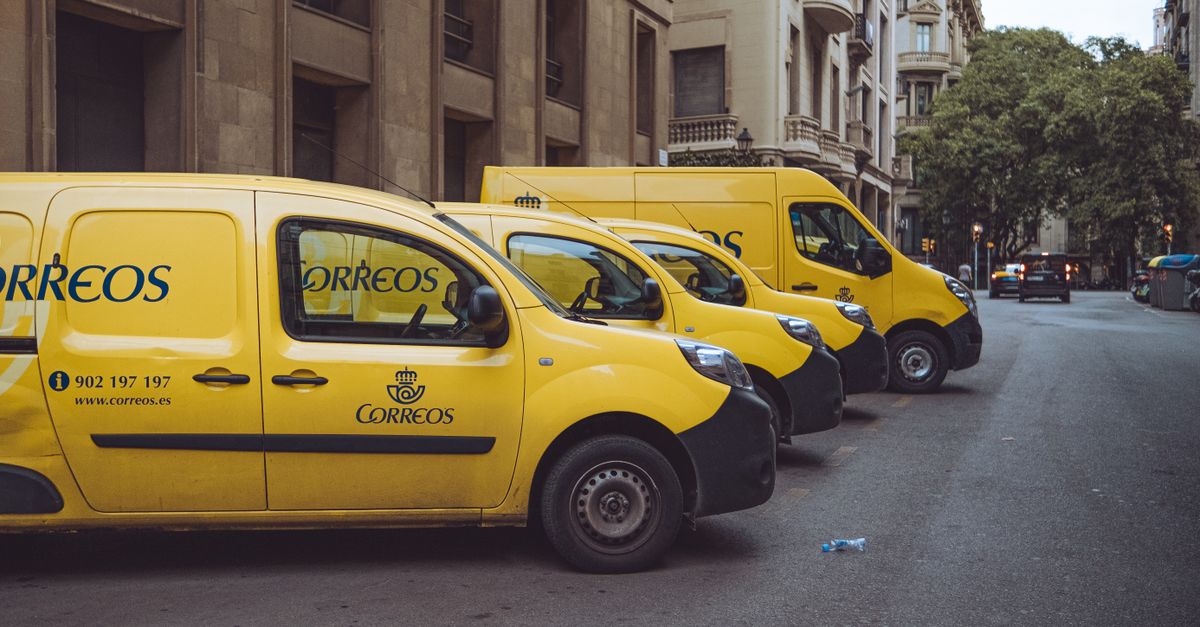
In the fast‑moving world of delivery logistics, choosing the right courier model can make or break a business’s efficiency and profitability. Whether you’re in healthcare, groceries, on‑demand retail, or a hybrid operation that needs both flexibility and control, every model has its own set of requirements, technology stacks, and cost structures.
In my experience, deploying a hybrid system reduced last-mile delays by 25% for our logistics start‑up. This article breaks down each courier type, highlights key features, compares them on practical criteria, and offers a decision framework to help you select the model that aligns with your business goals in 2026.
1. Defining the Courier Models
Before diving into specifics, it’s essential to clarify what each term means so we can compare apples to apples.
- Hybrid courier services combine the reliability of a traditional fleet with the agility of on‑demand drivers, often using a two-tiered dispatch system that balances scheduled routes and real-time surge capacity.
- Medical courier services focus on transporting sensitive items—lab samples, pharmaceuticals, or medical devices—under strict regulatory and temperature controls.
- Grocery delivery is a subset of on‑demand logistics that emphasizes perishable goods, quick turnover, and neighborhood coverage.
- On-demand courier refers to platforms that match any item with a driver in real time, usually through an app, offering near-instantaneous service.
Each model caters to distinct customer expectations and operational constraints, so understanding these nuances is the first step toward making an informed choice.
2. Hybrid Courier Services: The Best of Both Worlds
A hybrid model is ideal for businesses that need predictable delivery windows but also want to scale during peak periods without permanently expanding the fleet. By blending a core fleet with on‑demand talent, you maintain control over vehicle maintenance and driver training while tapping into gig drivers when demand spikes.
Key Features of Hybrid Courier Services
- Core fleet for baseline capacity
- On-demand pool for surge handling
- Centralized dispatch platform with real-time visibility
- Customizable service levels (e.g., guaranteed time slots)
- Integrated compliance tracking for regulated cargo
- Data analytics dashboard for performance monitoring
- Scalable driver onboarding modules
- Unified billing and invoicing system
The hybrid approach reduces idle vehicle time, lowers cost per mile during off-peak, and gives you the flexibility to respond to seasonal spikes—think holiday grocery peaks or sudden medical supply shortages. Many regional retailers adopt this model to keep a steady flow of orders while avoiding the overhead of owning too many vehicles.
Hybrid courier services bridge the gap between traditional and on‑demand models, offering scalability while maintaining control over quality.3. Medical Courier Services: Precision and Compliance at Every Step
Medical deliveries are governed by stringent regulations—HIPAA for patient data, FDA rules for pharmaceuticals, and temperature monitoring requirements for biologics. Failure to comply can result in legal penalties and loss of client trust.
Critical Elements of Medical Courier Operations
- Temperature-controlled packaging (e.g., refrigerated totes)
- Real-time GPS tracking with geofencing alerts
- Driver certification for handling hazardous materials
- Chain-of-custody documentation and audit trails
- Secure data transmission protocols for patient information
- Automated compliance reporting to regulatory bodies
- Integrated insurance coverage for loss or damage
- Rapid response times (often under 4 hours)
- Dedicated customer support for medical clients
Because the margin on medical logistics can be thin, automation—such as route optimization algorithms and predictive load balancing—helps keep costs down while maintaining compliance. A typical medical courier may also provide specialized services like specimen pickup from clinics or overnight delivery of critical implants.
4. Grocery Delivery: Speed, Freshness, and Neighborhood Coverage
The grocery sector demands ultra-fast delivery windows (often 30–60 minutes) to preserve freshness. The typical model relies on a dense network of local hubs and short-haul drivers.
Essentials for an Effective Grocery Delivery Network
- Multi-warehouse strategy with proximity to key markets
- Dynamic routing that accounts for traffic, weather, and order density
- Temperature-controlled vans or refrigerated compartments
- Inventory visibility integrated with e-commerce platforms
- Real-time order status updates for customers
- Flexible pickup options (e.g., curbside, locker)
- Data-driven demand forecasting to optimize stocking
- Contactless delivery protocols post-2020 pandemic
Grocery delivery is a perfect use case for on-demand couriers when paired with a robust logistics technology solution that can handle high-frequency, low-value orders. The ability to adjust routes in real time keeps perishable items from spoiling and improves customer satisfaction.
5. On-Demand Courier: The Agile Delivery Platform
An on‑demand courier platform connects senders and drivers instantly via an app or website. These platforms thrive on high order volume and low per-transaction cost, making them ideal for small parcels, e-commerce returns, or last-mile logistics for large retailers.
Core Components of On-Demand Courier Platforms
- Mobile driver app with real-time job matching
- Dynamic pricing engine to balance supply and demand
- In-app navigation with traffic-aware routing
- Rating system for quality control
- Payment gateway integration for instant payouts
- Automated compliance checks for restricted items
- API layer for partner integrations (e.g., marketplaces)
- Analytics dashboard for performance insights
- Customer support chatbots and escalation paths
The key advantage is scalability: you can grow service capacity simply by onboarding more drivers, without the fixed costs of owning a fleet. Many startups leverage this model to launch in multiple cities before committing to long-term assets.
6. Logistics Technology Solutions: The Backbone of Modern Delivery
Regardless of the courier model, technology integration drives efficiency. From route optimization and predictive analytics to IoT sensor networks and AI-powered demand forecasting, these solutions reduce human error, lower fuel consumption, and improve customer satisfaction.
Must-Have Tech Features for 2026 Logistics Operations
- AI-driven route planning with real-time traffic updates
- IoT-enabled asset tracking (temperature, humidity, shock)
- Blockchain or secure ledger for compliance documentation
- Machine learning models for demand forecasting
- Automated exception handling and alerts
- Self-learning dispatch algorithms to minimize idle time
- API ecosystem for seamless third-party integrations
- Cloud-based data warehouses with BI tools
- Mobile-first driver interface with offline capabilities
Investing in these technologies early can create a competitive advantage that scales as your business grows. For instance, an IoT-enabled temperature probe can send alerts to both the driver and the dispatcher if a cold chain breach occurs, allowing for immediate corrective action.
7. Decision Matrix: Choosing the Right Model for Your Business
The following matrix helps evaluate which courier model aligns best with your operational priorities and constraints. Score each factor from 1 (low importance) to 5 (high importance), then multiply by the weight assigned to that factor.
Factors to Consider
- Volume of orders per day
- Geographic coverage area
- Regulatory compliance requirements
- Need for temperature control
- Desired delivery speed (same-day vs. next-day)
- Capital availability for fleet acquisition
- Driver recruitment and retention capabilities
- Technology integration capacity
- Scalability needs over the next 3–5 years
Example: If you run a medical clinic with moderate daily orders but strict compliance, a dedicated medical courier service scores high. For a grocery startup targeting rapid expansion in a city, an on-demand platform paired with hybrid logistics tech might be best.
8. Cost Considerations and ROI
Understanding the cost structure of each model is essential for budgeting and forecasting returns.
Typical Cost Breakdown (per mile or per delivery)
- Hybrid courier: Fixed fleet costs (fuel, maintenance) + variable on-demand driver fees + dispatch platform licensing
- Medical courier: Specialized packaging and temperature monitoring equipment + compliance software + higher insurance premiums
- Grocery delivery: Local hub operating expenses + refrigerated vehicle lease + dynamic pricing adjustments for peak demand
- On-demand courier: Driver incentives, surge multiplier costs, platform subscription fees + minimal fixed overhead
ROI is often realized through reduced last-mile delays, higher customer satisfaction scores, and lower per-delivery labor costs. A well-implemented logistics technology solution can reduce fuel consumption by 10–15% and improve on-time delivery rates from 85% to over 95%. For example, a grocery operator that invests in real-time routing saw a 12% drop in missed deliveries during peak hours.
9. Common Pitfalls and How to Avoid Them
Even with a solid plan, businesses frequently stumble on these issues:
- Underestimating compliance complexity in medical logistics
- Failing to integrate real-time data across systems
- Over-relying on gig drivers without proper training for high-value cargo
- Ignoring temperature drift during long-haul grocery deliveries
- Lack of contingency planning for driver shortages or vehicle breakdowns
- Neglecting customer communication during delays
- Inadequate data security measures for sensitive medical information
Mitigation strategies include rigorous onboarding, continuous training, robust monitoring dashboards, and establishing clear SLAs with partners. For instance, a grocery network that set up automated alerts when a refrigerated unit exceeded its temperature threshold could re-route the driver before spoilage occurred.
10. Future Trends in 2026 Delivery Logistics
The delivery landscape continues to evolve rapidly. Key trends that will shape the next few years include:
- Autonomous delivery vans expanding into urban micro‑markets
- Advanced AI predicting micro‑traffic patterns for hyper‑efficient routing
- Blockchain-based compliance logs for traceability in medical shipments
- Integration of drone deliveries for high-value or time-sensitive goods
- Subscription-based logistics models offering fixed delivery costs to consumers
- Greater emphasis on sustainability: electric fleets, carbon offset programs, and zero‑waste packaging
- Enhanced customer experience through AR/VR order visualization and real-time shipment tracking
Staying ahead of these trends requires a flexible technology foundation and an openness to iterating your courier model as new capabilities emerge.
Which delivery model has proven most effective for your industry, and what challenges have you faced in scaling it?


