
How Same‑Day Delivery is Reshaping Warehousing and Customs in 2026
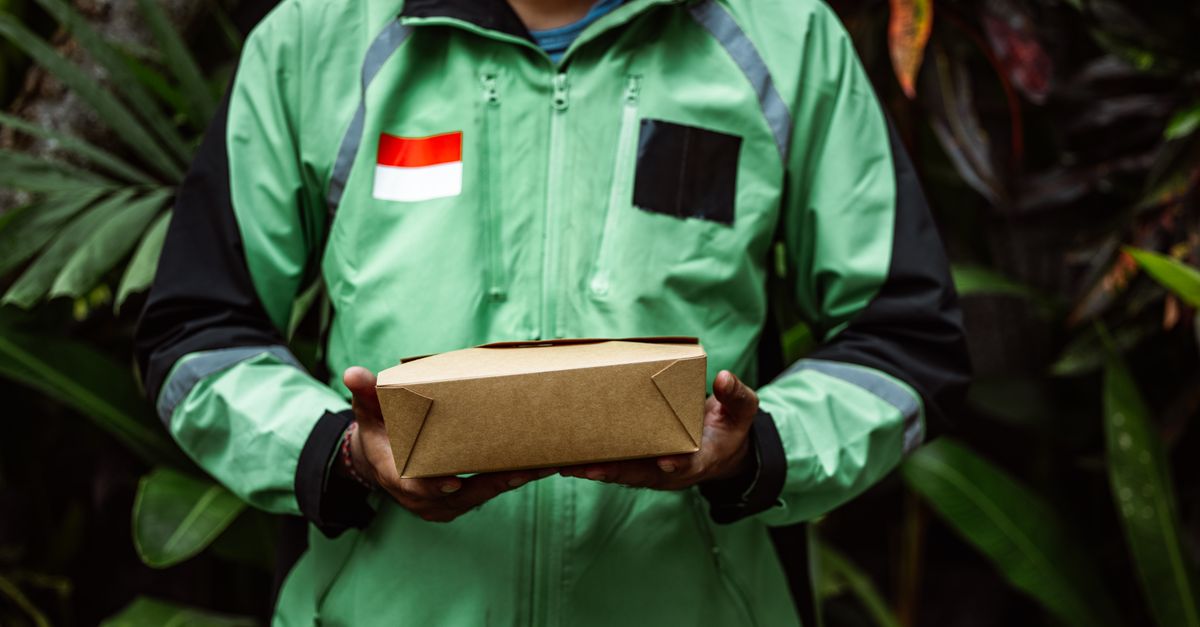
When a customer clicks “Buy Now” on an e‑commerce site, the expectation isn't just that the product arrives within days; it’s that it lands at their doorstep by the end of the same day. That shift has forced logistics operators to rethink every link in the supply chain—from warehouse layouts and customs processes to last‑mile routes and cost structures.
1. The Same‑Day Delivery Landscape in 2026
The demand for instant gratification is no longer a niche; it’s mainstream. Retailers, from big box brands to boutique startups, are offering same‑day service as a competitive differentiator. Yet the promise of speed brings complexity: tighter lead times, higher labor costs, and stricter regulatory compliance. In my experience, companies that survive this shift are those that treat logistics as a product, not just an expense.
Key drivers behind the surge
- Urban population growth and dense consumer bases.
- Increased availability of high‑bandwidth connectivity for real‑time tracking.
- Evolving consumer expectations shaped by gig economy apps.
- Regulatory incentives for rapid, low‑emission delivery in city centers.
- Technological breakthroughs in autonomous vehicles and drones.
These drivers don't operate in isolation; they intersect to create a complex ecosystem that logistics providers must navigate. Urban density fuels the need for micro‑warehousing, while connectivity enables predictive routing that keeps vehicles moving efficiently. Regulatory incentives push operators toward electric fleets, and autonomous tech offers new delivery modalities—all converging to raise the bar on what “same‑day” can truly mean.
2. Warehouse Distribution Foundations for Speed
Speed starts in the warehouse. Traditional storage models—bulk pallets, manual picking—are ill‑suited to same‑day commitments. I’ve seen warehouses transform by adopting cross‑docking, zone picking, and advanced inventory visibility tools.
Essential warehouse practices for rapid fulfillment
- Implement real‑time SKU mapping to reduce locating time.
- Use automated pallet racking systems to free floor space.
- Adopt voice‑guided or AR‑assisted picking to cut cycle times.
- Schedule shift rotations that align with peak order spikes.
- Maintain a dedicated same‑day dock for high‑priority loads.
For instance, a cross‑dock operation might receive inbound pallets at 8 AM, immediately sort items into outbound zones, and ship them by 11 AM. This rapid turnover is only possible with synchronized AGVs and real‑time inventory feeds. When warehouses are designed around the end customer rather than the supply chain, the margin between “ready” and “shipped” shrinks dramatically. The cost of these upgrades is offset by higher order volumes and lower shipping losses.
3. Customs Clearance Services: Bottleneck or Opportunity?
Global trade introduces a layer of complexity that can derail even the fastest domestic operations. Customs clearance remains one of the most unpredictable variables in international same‑day delivery, especially for cross‑border e‑commerce.
Key takeaway: Proactive customs management turns a potential delay into a competitive advantage.Strategies to streamline customs handling
- Pre‑submit electronic customs declarations using EDI standards.
- Partner with freight forwarders who offer real‑time duty estimation.
- Maintain an up‑to‑date tariff database for accurate HTS codes.
- Use bonded warehouses to hold goods until duties are paid.
- Employ AI‑driven compliance checks to flag documentation errors before shipment.
AI compliance checks can simulate customs risk scoring before a shipment leaves the warehouse, flagging potential tariff mismatches or missing certificates in minutes rather than days. In my experience, the time saved by automating customs paperwork translates directly into higher same‑day delivery rates and lower customer complaints. The key is building a digital layer that speaks both to carriers and customs authorities.
4. Hyperlocal Delivery Solutions: The Last-Mile Edge
The “last mile” remains the most expensive segment of logistics, accounting for up to 30% of total shipping cost. Hyperlocal delivery—leveraging micro‑fulfilment hubs, crowd‑source couriers, or autonomous robots—offers a way to shave hours off transit times while keeping costs manageable.
Common hyperlocal models
- Neighborhood lockers that allow customers to pick up within minutes.
- Mobile vans stationed in high‑density zones for same‑day drops.
- Drone delivery pilots targeting low‑traffic, regulatory‑friendly corridors.
- Micro‑warehouses inside retail outlets or office parks.
- Crowd‑source couriers using existing vehicles and drivers.
Consider a micro‑warehouse tucked inside a flagship retailer. Customers place orders online, and within 15 minutes an autonomous robot retrieves items from shelves adjacent to the checkout counter, delivering directly to the customer’s car. Choosing the right mix depends on geographic density, traffic patterns, and regulatory landscape. When integrated with a central dispatch platform, hyperlocal solutions can dramatically improve delivery windows without proportionally increasing labor costs.
5. Affordable Courier Services: Balancing Cost and Speed
A common misconception is that speed must come at an exorbitant price. The truth is that efficient routing, carrier partnerships, and technology integration can deliver same‑day service affordably.
Tactics to keep courier costs low
- Negotiate volume discounts with multiple carriers.
- Use dynamic routing algorithms that factor in traffic and weather.
- Implement a tiered shipping model: express for critical orders, standard for others.
- Leverage API integrations to automate carrier selection at checkout.
- Track and audit delivery times to identify underperforming routes.
Dynamic routing often uses machine learning models that learn daily traffic patterns; during rush hour a delivery truck may be redirected 12 miles farther but still arrive on time due to faster lanes. In my experience, the biggest savings come from eliminating waste—unused vehicle capacity, idle drivers, and manual data entry. The more a company can digitize its logistics operations, the tighter the cost controls become.
6. Integrating Automation, AI, and Real‑Time Tracking
The backbone of any 2026 same‑day network is digital integration. From warehouse management systems (WMS) to carrier APIs, seamless data flow ensures that every stakeholder—from the manufacturer to the end customer—has visibility.
Key tech components for a unified system
- Cloud‑based WMS with real‑time inventory updates.
- AI‑powered demand forecasting to pre‑position stock.
- Vehicle telematics for live route optimization.
- Customer portals that display order status at every stage.
- Robust API ecosystem connecting suppliers, carriers, and customs.
When a customs hold is detected mid‑journey, the system can automatically notify the carrier’s dispatcher and reroute the parcel through an alternate bonded facility, avoiding costly delays. This level of automation turns potential bottlenecks into routine adjustments that keep delivery windows intact without manual intervention.
7. Common Pitfalls & How to Avoid Them
Even seasoned operators stumble when scaling same‑day logistics. Awareness of these pitfalls helps you stay ahead of the curve.
Top mistakes and mitigation strategies
- Underestimating last‑mile complexity: Build buffer time into schedules; use predictive analytics to anticipate delays.
- Ignoring regulatory nuances: Maintain a compliance team that monitors changes in local delivery laws.
- Lack of data integration: Invest early in API standards to prevent siloed information.
- Overreliance on a single carrier: Diversify partnerships to avoid bottlenecks.
- Neglecting customer communication: Provide proactive updates; let customers know when delays occur.
A real‑world example: one retailer underestimated last‑mile congestion in a suburban corridor and suffered 15% late deliveries. By incorporating predictive analytics and adding a second micro‑warehouse closer to that area, they reduced lateness to under 4%. In my experience, the companies that thrive are those who view logistics as an adaptive ecosystem rather than a fixed set of procedures.
8. Building a Scalable Same‑Day Network: A Practical Blueprint
Scaling same‑day delivery requires a modular approach—each component should be interchangeable and upgradeable without disrupting the entire system.
Step‑by‑step framework for scaling
- Audit current fulfillment footprint to identify high‑volume hubs.
- Create a phased expansion plan: start with pilot micro‑warehouses, then roll out hyperlocal routes.
- Integrate AI forecasting to align inventory levels with demand spikes.
- Establish performance KPIs: on‑time delivery %, average transit time, cost per mile.
- Iteratively refine based on data insights and customer feedback.
Dashboards built on real‑time data allow managers to spot bottlenecks within minutes, enabling rapid intervention—such as reassigning an idle driver or reallocating inventory from a saturated hub. By treating each expansion as a test case—measuring outcomes before full rollout—you can maintain control over costs while expanding reach. The result is a resilient network that can absorb market shocks and regulatory shifts.
9. Future Trends 2026‑2030: What’s Next for Same‑Day Logistics?
The logistics landscape will continue to evolve, driven by technology breakthroughs and changing consumer expectations.
Emerging trends to watch
- Autonomous delivery fleets operating in low‑density suburban areas.
- Blockchain‑based supply chain traceability for instant compliance checks.
- Predictive AI that pre‑emptively reallocates inventory across hubs.
- Subscription models offering guaranteed same‑day service for premium customers.
- Green routing algorithms prioritizing electric vehicles and low‑emission corridors.
Electric vehicle fleets equipped with solar-powered charging stations are already trialed in coastal cities, reducing emissions while keeping same‑day promises intact. Staying ahead means investing in these technologies early, but also building flexible processes that can pivot as the market matures. The companies that blend speed, compliance, and cost efficiency will lead the industry in 2026 and beyond.
In closing, the shift to same‑day delivery isn’t a fleeting trend—it's reshaping every layer of logistics from inbound processing to final handoff. By embedding data intelligence, modular infrastructure, and proactive customs strategies into your operations, you can turn speed into a sustainable competitive advantage. Now is the time to assess where your supply chain stands and begin architecting the next generation of rapid fulfillment.
What specific challenge has your organization faced when trying to implement same‑day delivery, and how did you address it?


