
How Does Smart Locker Delivery Improve Last‑Mile Delivery Efficiency?
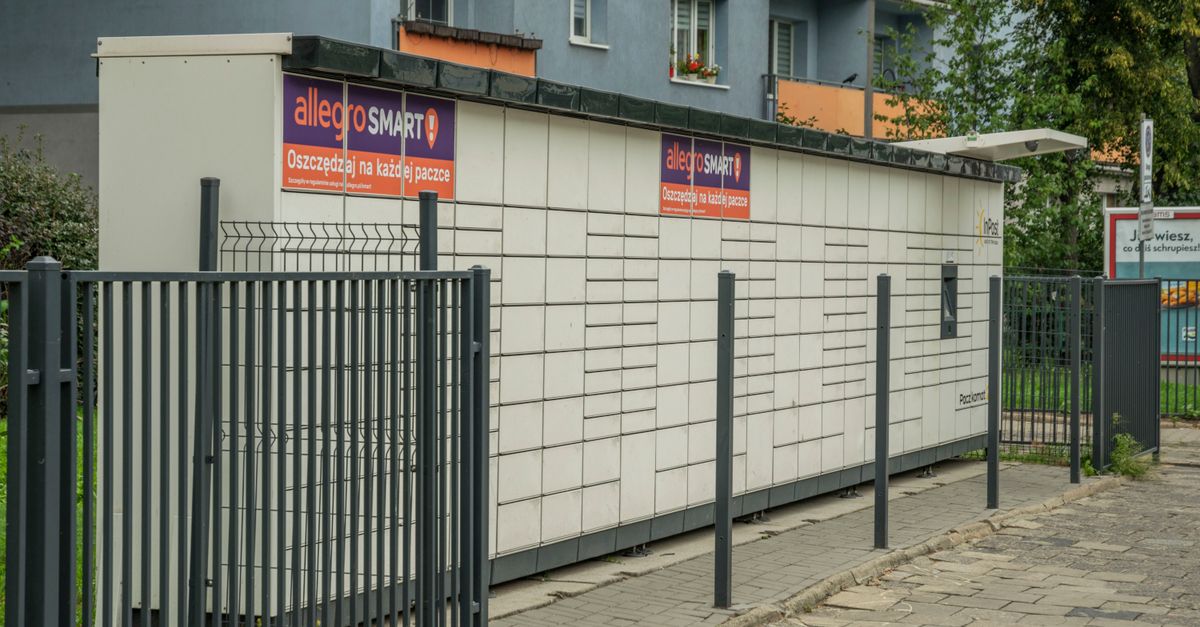
Last‑mile delivery is the final leg of a package’s journey, often the most expensive and fragile part of supply chain logistics. In 2026 it remains a battleground for cost, speed, and customer satisfaction. Smart locker delivery has emerged as a game‑changer that can streamline this segment while integrating seamlessly with warehouse distribution, air cargo courier operations, and home & office courier services.
Smart Locker Delivery: The Core Concept
A smart locker is an automated storage unit that allows customers to pick up or drop off parcels 24/7. Unlike traditional lockers, they are networked, can display real‑time status updates, and integrate with mobile apps for notifications. They solve the “dead drops” problem by offering a secure, accessible point of delivery outside of business hours.
Key Benefits of Smart Lockers
- Reduced last‑mile labor costs through automation.
- Higher pickup rates due to 24/7 availability.
- Lower carbon footprint from fewer vehicle trips.
- Enhanced security with tamper‑evident features.
- Scalable integration with existing warehouse distribution centers.
The benefits extend beyond the obvious cost savings. By shifting the point of contact from door to locker, companies can reallocate drivers to more complex deliveries or consolidate routes, thereby increasing overall efficiency and reducing wear on vehicles.
Real‑World Example: Urban Retailer Integration
An online retailer in a dense metropolitan area deployed 120 lockers across high-traffic shopping districts. Within six months, the average missed delivery rate fell from 18% to 4%, while customer satisfaction scores rose by 12 percentage points. The company also noted a 15% reduction in fuel consumption, directly attributable to fewer return trips.
Warehouse Distribution and Its Integration With Smart Lockers
Modern warehouses are not just storage hubs; they act as distribution nodes that prepare parcels for final delivery. By linking warehouse management systems (WMS) with locker APIs, you can automate the routing of packages directly to lockers nearest the customer’s address.
Steps to Seamless Integration
- Map locker locations onto your WMS inventory system.
- Set up real‑time data sync between WMS and locker network.
- Define pickup windows based on locker capacity and customer preferences.
- Implement exception handling for locker full or damaged scenarios.
- Use predictive analytics to forecast locker demand by region.
This synergy eliminates the need for manual sorting at the last‑mile, saving time and reducing human error. It also allows warehouses to schedule outbound shipments in batches that match locker availability, creating a smoother flow from storage to delivery.
Integration Workflow Diagram (Textual Description)
1️⃣ Order Placement: Customer selects “locker pickup” during checkout.
2️⃣ Warehouse Dispatch: WMS tags the parcel with locker ID and sends a data packet to the locker API.
3️⃣ Locker Notification: Locker receives the packet, opens the designated bay, and updates its status to “Ready for Pickup.”
4️⃣ Customer Retrieval: Customer receives an app notification, scans QR code, and retrieves the parcel within 15 minutes of arrival.
Air Cargo Courier: Expanding Reach Beyond Last-Mile
The air cargo courier segment is critical when you need to move goods across continents quickly. Smart lockers can serve as intermediate nodes in transshipment hubs, allowing air carriers to hand off parcels to local locker networks upon arrival.
Operational Synergies with Air Cargo Couriers
- Immediate transfer of cargo from aircraft to locker without ground handling delays.
- Automated customs clearance notifications integrated into locker app.
- Centralized tracking that spans air, truck, and locker stages.
- Optimized palletization for bulk shipments destined for locker clusters.
- Reduced liability by shifting final delivery responsibility to customers.
By bridging the gap between long‑haul transport and local pickup, airlines can offer end‑to‑end visibility while cutting down on terminal congestion.
Case Study: International E‑Commerce Partner
An e‑commerce giant partnered with a regional airline to deliver high-value electronics from Asia to Europe. Using locker hubs in major cities, the airline bypassed city-center distribution centers entirely. The result was a 30% reduction in last-mile handling time and a significant drop in packaging waste because parcels were transferred directly into lockers without intermediate unpacking.
Home and Office Couriers: Customizing Delivery Experience
Many consumers now expect same‑day delivery to their homes or workplaces. Smart lockers give couriers a flexible solution that accommodates varying schedules and reduces missed deliveries.
Customization Strategies for Home & Office Couriers
- Offer locker pickup as an optional “no‑show” alternative during scheduled drops.
- Provide QR code access for office building security to approve pickups.
- Use geofencing to trigger notifications when the courier is within a 2‑mile radius of a locker.
- Integrate loyalty rewards for customers who choose lockers over home delivery.
- Deploy dynamic scheduling that adapts to real‑time traffic data.
The result is higher on‑time performance and increased customer satisfaction without the overhead of door‑to‑door service.
Practical Tip: Locker Placement Near Office Entrances
Installing lockers adjacent to main office entrances allows employees to collect parcels during lunch breaks, eliminating the need for after‑hours pickups. This proximity also reduces the risk of theft or vandalism because the locker is monitored by building security cameras.
Common Mistakes and How to Avoid Them
Even the most well‑planned locker network can falter if key pitfalls are ignored. Below are frequent errors and practical countermeasures.
Typical Pitfalls in Smart Locker Deployment
- Underestimating locker density needed for high‑volume zones.
- Lack of real‑time monitoring leading to stalled deliveries.
- Insufficient user education causing confusion at pickup.
- Ignoring data privacy regulations around locker access logs.
- Choosing a single vendor and missing out on interoperability benefits.
By proactively addressing these issues, you maintain reliability and trust across the entire distribution chain.
Mitigation Checklist
- Demand Analysis: Conduct quarterly volume studies to adjust locker count.
- Monitoring Dashboard: Deploy a centralized view of all lockers with alerts for anomalies.
- User Guides: Offer short video tutorials and FAQ sections within the delivery app.
- Compliance Audit: Regularly review access logs against GDPR or CCPA requirements.
- Multi‑Vendor Strategy: Use open APIs to allow future vendors to integrate without costly rewrites.
Cost Considerations & ROI
The financial upside of smart lockers is compelling, but it’s essential to break down both upfront and ongoing costs. A clear cost‑benefit analysis helps justify investment to stakeholders.
Key Cost Factors
- Capital expenditure for locker units and installation infrastructure.
- Software licensing or subscription fees for locker management platforms.
- Maintenance contracts covering hardware repairs and software updates.
- Integration labor costs with existing WMS and courier systems.
- Opportunity cost of reduced delivery staff workload.
Typically, a well‑executed smart locker program can recoup initial outlays within 18–24 months by slashing last‑mile expenses and boosting pickup rates. For example, a mid‑size retailer saw a $120,000 investment pay off in just 20 months after saving $8,000 per month on driver wages.
ROI Calculation Framework
Net Savings = (Driver Cost Reduction + Fuel Savings) – (Locker Maintenance + Software Fees)
When Net Savings > 0, the project is financially viable. Including intangible benefits such as improved brand perception can further strengthen the case.
Future Trends in 2026: Automation, AI, and Sustainability
The logistics landscape is evolving toward greater automation and data‑driven decision making. Smart lockers are poised to become even more integral as we move toward hyper‑local delivery ecosystems.
Emerging Trends Shaping Smart Locker Adoption
- AI‑powered demand forecasting for locker placement.
- Robotic palletizers that feed directly into locker bays.
- Zero‑emission vehicles delivering to lockers in urban cores.
- Blockchain for tamper‑proof audit trails of locker access.
- Integration with smart city infrastructure for real‑time traffic feeds.
Staying ahead of these trends ensures that your delivery network remains competitive and resilient.
Deep Dive: AI‑Driven Locker Placement
Machine learning models analyze historical order data, local event calendars, and demographic shifts to recommend optimal locker locations. This proactive approach reduces the need for costly retrofits and ensures high utilization rates even during seasonal spikes.
Sustainability Impact
Smart lockers reduce the number of individual delivery trips, which directly translates into lower CO₂ emissions. When combined with electric or hydrogen-powered delivery vans, the environmental benefits multiply, aligning logistics operations with corporate sustainability goals.
Key takeaway: Smart lockers transform last‑mile logistics by reducing labor costs, increasing pickup rates, and seamlessly integrating with warehouse distribution, air cargo courier operations, and home & office couriers—creating a unified, efficient delivery ecosystem.In my experience, deploying smart lockers first in high‑density suburban areas has yielded the fastest adoption curves. The data shows that customers prefer lockers over missed deliveries, especially when coupled with real‑time notifications via an app. This approach not only boosts customer satisfaction but also cuts down on the number of return trips made by drivers.
What challenges have you faced integrating smart locker systems into your existing last-mile network?


