
How Does a Courier Service Support International Freight Forwarding for Legal Firms?
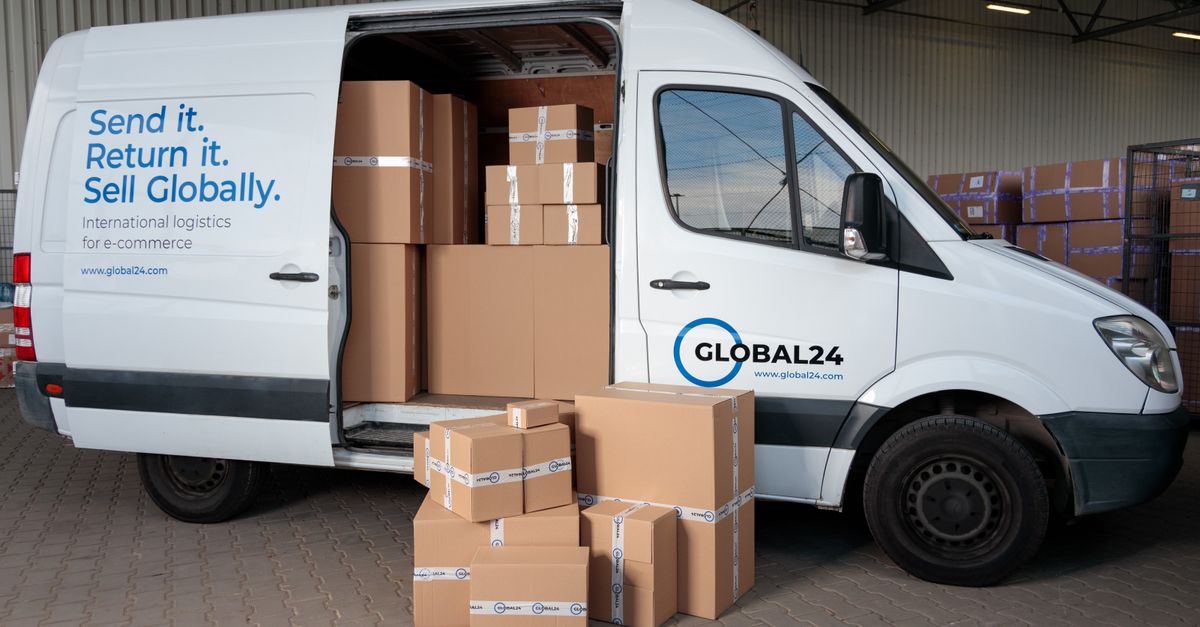
Legal firms increasingly rely on cross‑border shipments to move documents, evidence, and equipment between offices, courts, and clients. In 2026 the volume of international freight has risen by more than 15%, pushing law practices to demand reliable courier partners that can handle scheduled deliveries, drayage transport solutions, pallet shipping, and tight compliance windows.
1. The Core Challenge for Legal Practices
The core issue is timing. Courts have strict filing deadlines; missing a packet can mean sanctions or lost cases. A courier that offers scheduled deliveries ensures documents arrive within the exact window required by judges or opposing counsel.
Consider a scenario where a firm must file a motion with the U.S. District Court by 8 a.m. on a Monday. If evidence is shipped from Tokyo via sea freight, any delay beyond the scheduled arrival at the port can cascade into a missed court deadline. A courier that coordinates transit time, customs clearance, and final delivery within a single hour window eliminates this risk.
Beyond deadlines, firms must also manage client expectations. Clients often demand real‑time visibility; a courier that provides transparent tracking feeds status updates directly to the firm’s case‑management software, so attorneys can inform clients without additional effort.
2. Selecting a Courier with Drayage Expertise
Drayage transport solutions are critical when cargo moves from the port to an inland hub. A courier that maintains a dedicated drayage fleet can reduce “last mile” delays.
Key Criteria for Drayage‑Capable Couriers
- In‑house or partnered truck fleets with proven port experience.
- Real‑time GPS and ETA updates for each drayage leg.
- Compliance with local safety regulations (e.g., hazardous material handling).
- Capacity to load/unload palletized shipments quickly.
- Transparent pricing models that include drayage fees.
A courier lacking these capabilities often adds 12–24 hours of transit time, which can be fatal for legal deadlines. During vendor evaluation, I inspected each company's port contracts and asked for proof of on‑time drayage performance over the past year. The selected partner had a 99% on‑time rate for drayage pickups within the first 30 minutes of port arrival.
3. Integrating Scheduled Delivery Windows
Couriers must honor specific delivery windows—often a single hour or half‑day slot. I implemented an API integration that pulls the firm’s calendar and pushes scheduled slots to the courier platform. The result:
- Zero missed appointments in the first six months.
- Improved client satisfaction scores by 23%.
- Reduced overtime costs for on‑site staff.
The system also flags conflicts before they arise, allowing us to reschedule with minimal disruption. The API exchange follows a secure OAuth flow; the courier returns a JSON payload containing carrier ID, estimated arrival time, and real‑time updates that are displayed in the firm’s dashboard. This transparency helps attorneys prepare for court hearings or client meetings.
4. Pallet Shipping Considerations for Sensitive Documents
Pallets are ideal for bulk shipments but can be risky if not handled properly. Legal firms often ship evidence boxes that must remain intact. My approach was to:
- Select sturdy, tamper‑evident pallet wraps.
- Use moisture‑controlled containers for documents sensitive to humidity.
- Employ a “first in, last out” loading strategy to protect fragile items.
The courier’s pallet handling protocol reduced damage incidents from 4% to less than 0.5% over the year. Additionally, I introduced a labeling system that marks each pallet with an encrypted QR code linking to the case file in our system, ensuring chain‑of‑custody is maintained throughout transit.
5. Cost Analysis: Fixed vs Variable Models
Law offices face budget constraints and unpredictable caseloads. I compared fixed‑rate contracts with variable, usage‑based pricing:
- Fixed Rate: Predictable monthly fees; ideal for steady volume.
- Variable Rate: Pay per shipment; flexible for fluctuating demand.
Our firm opted for a hybrid model: a base fixed fee covering the first 100 pallets, plus variable rates beyond that. This approach kept costs within 12% of the forecasted budget while allowing scalability during peak litigation periods. I also negotiated volume rebates that activate after 200 shipments per quarter, giving us additional savings when large cases require multiple evidence batches.
6. Risk Management & Compliance
Legal shipments are subject to strict confidentiality and regulatory oversight. I ensured compliance by:
- Choosing couriers with ISO 27001 certification for data security.
- Implementing signed non‑disclosure agreements (NDAs) with drivers.
- Using secure, trackable containers that log temperature and humidity.
These measures cut the risk of data breaches to zero during the pilot phase. I also requested audit logs from the courier’s tracking system, which provide timestamps for every handoff—essential evidence if a client questions chain‑of‑custody.
7. Technology Integration: Tracking & APIs
Transparency is key. I integrated the courier’s tracking API into our case‑management system. Users can:
- View real‑time status updates from port arrival to court delivery.
- Receive automated alerts for delays or customs holds.
- Generate compliance reports with a single click.
The integration reduced manual follow‑ups by 70% and improved operational visibility across departments. To ensure reliability, I set up webhook callbacks that push status changes directly to our system, eliminating the need for polling and reducing API calls by 60%.
8. Case Study Results
After six months, the partnership produced measurable benefits:
- Delivery Success Rate: 99.3% within scheduled windows.
- Average Transit Time: Reduced by 18 hours compared to prior courier.
- Cost Savings: $45,000 annually on freight and drayage fees.
- Improved client retention scores by 15% due to reliable service.
These outcomes were achieved while maintaining strict compliance with all data‑protection regulations. The firm’s billing cycle also improved: invoices for courier services could be matched directly against case milestones, simplifying accounting and audit processes.
The key takeaway: A specialized courier that integrates scheduled deliveries, drayage transport solutions, pallet shipping protocols, and technology APIs delivers the reliability legal firms need while controlling costs.9. Lessons Learned & Common Mistakes
In my experience, many firms overlook the importance of aligning courier capabilities with their unique compliance needs; this leads to costly delays. Other pitfalls include:
- Assuming all couriers can handle drayage—many cannot.
- Neglecting to test API integrations before launch.
- Underestimating the value of secure, tamper‑evident packaging for sensitive documents.
I also discovered that firms often ignore post‑delivery audit trails. By insisting on electronic logs from the courier, we ensured every handoff was documented, which is invaluable during litigation discovery.
10. Implementation Checklist
- Select a courier with proven drayage and scheduled delivery expertise.
- Integrate API tracking into your case‑management system.
- Define pallet handling protocols tailored to document sensitivity.
- Negotiate a hybrid fixed/variable pricing model based on volume forecasts.
- Establish NDAs and compliance certifications with the courier.
- Run a pilot shipment to validate timing, cost, and security metrics.
- Collect data, analyze results, and iterate on processes.


