
How do scheduled deliveries work across nationwide grocery and food delivery services?
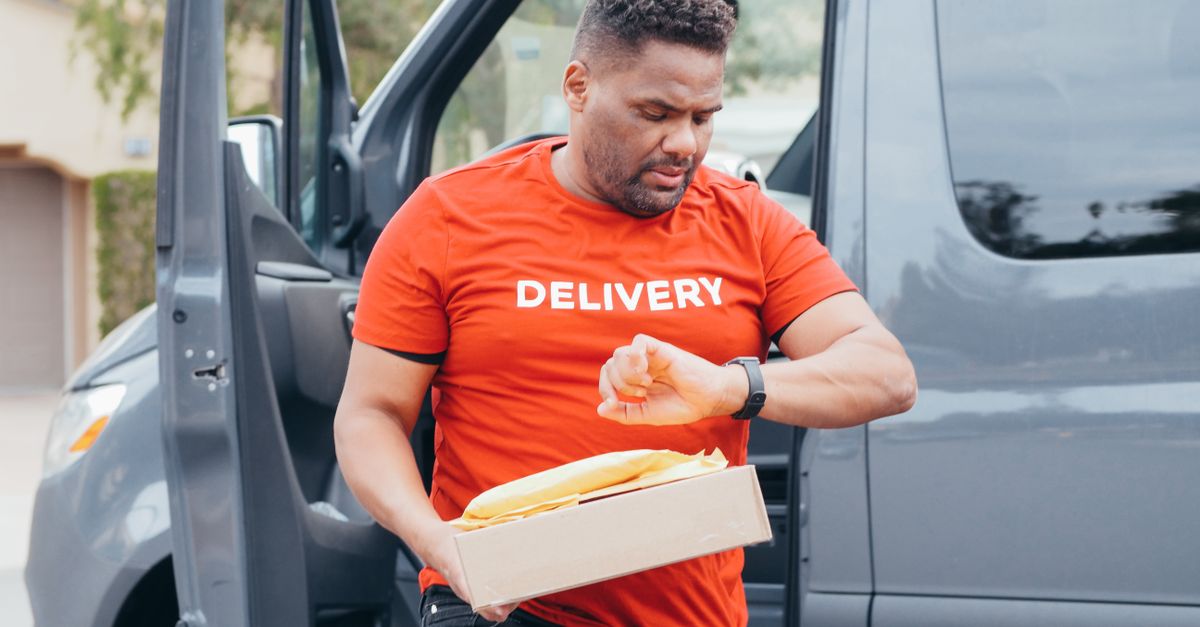
In today’s e‑commerce landscape, customers expect the same convenience from grocery and restaurant orders that they get from instant delivery. The solution is scheduled deliveries—predefined time slots that let consumers pick when their items arrive while giving businesses a predictable logistics framework. In this FAQ explainer I break down what scheduled deliveries are, how they fit into nationwide shipping, the core elements of delivery logistics, and practical steps to launch or optimize such services.
What Are Scheduled Deliveries?
Scheduled deliveries let customers choose a specific window for their order to arrive. The service then plans drivers, inventory, and routes to meet that commitment. It is a shift from on‑demand delivery, which typically offers 30–60 minute windows.
For instance, a grocery shopper might lock in a 10 am‑11 am window for fresh produce, while a restaurant customer could reserve a 7:30 pm slot to ensure their dinner arrives hot and on time.
Why Schedule?
Predictability wins on both sides: shoppers avoid surprise late arrivals; retailers reduce last‑minute rushes and improve route efficiency.
Key Components of a Scheduled Delivery System
- Customer booking interface (web/mobile)
- Real‑time inventory checks
- Route optimization engine
- Driver assignment & dispatch system
- Tracking and communication platform
- Dynamic pricing module
- Customer data analytics dashboard
Nationwide Shipping Considerations
Expanding from local to nationwide adds distance, varying state regulations, and carrier selection into the equation.
Distance & Carrier Dynamics
Larger routes increase fuel costs and delay risk. I pair national carriers for long legs—UPS Freight, DHL Express—with local last‑mile partners to keep windows tight.
State‑specific labor laws, such as California’s 12‑hour driver limit, also dictate routing schedules and require precise compliance tracking.
Cost Drivers for Nationwide Scheduled Deliveries
- Fuel price fluctuations across regions
- Insurance premiums for high‑value or perishable goods
- Driver labor costs in different states
- Technology licensing and maintenance fees
Delivery Logistics Fundamentals
The backbone of any scheduled delivery service is logistics: inventory visibility, routing, and real‑time tracking.
Inventory Management & Visibility
A warehouse management system that updates instantly lets me see which items are ready for shipment at any moment, preventing “I thought I had stock” surprises.
Cross‑docking practices—directing inbound goods to outbound lanes without long storage—reduce handling time and lower the risk of temperature excursions for perishables.
Routing & Dispatch
I use an AI‑driven routing engine that calculates the most efficient path, respecting traffic data, delivery windows, and vehicle capacity. The engine assigns drivers and feeds turn‑by‑turn instructions via a mobile app.
Technology Stack for Logistics Optimization
- Warehouse Management System (WMS)
- Transport Management System (TMS)
- Geofencing APIs for traffic updates
- Mobile dispatch application
- Customer communication platform (SMS, push notifications)
Grocery Delivery Specifics
Perishables add complexity. Temperature control and shelf life are critical.
Temperature‑Controlled Transport
I integrate refrigerated trailers or insulated containers for dairy, meat, and produce. Sensors monitor temperature; any deviation triggers an immediate alert.
Frozen items often use phase‑change materials that absorb heat during transit, maintaining sub‑0 °C temperatures without active refrigeration when travel times are short.
Order Accuracy & Packaging Best Practices
- Tamper‑evident packaging for fragile goods
- Driver instructions on handling via quick reference sheets
- Barcode scanning at pick‑up and drop‑off points
- Return process for misdelivered items
Food Delivery Services Model
Restaurant partners introduce prep times, menu limits, and kitchen schedules.
Restaurant Partnerships & Integration
A standardized API pulls order data from the restaurant’s POS into my system, eliminating manual entry errors and speeding fulfillment.
Pre‑order windows, common in high‑volume restaurants, allow kitchens to batch prepare meals and align them with the delivery schedule, improving throughput and reducing wait times.
Last‑Mile Solutions for Food Delivery
- Food couriers with insulated bags
- Smart lockers for contactless pickup in dense areas
- Dynamic routing prioritizing time‑sensitive orders
- In‑app tracking showing chef status (prepping, cooking, ready)
- Real‑time ETA updates that adjust for traffic or kitchen delays
Scheduling Mechanics: How You Set a Delivery Window
Customers choose from available slots based on inventory and driver availability. My scheduling engine reconciles these choices with logistical constraints.
Customer Interface Design
The booking page shows real‑time slot availability, estimated delivery times, and any special instructions needed (e.g., “leave at front door”). I keep the UI simple to reduce friction.
Constraints & Optimization Process
- Vehicle load capacity per route
- Driver hours of service regulations
- Time‑sensitive product windows (produce shelf life)
- Geographic clustering of orders
- Dynamic adjustment for traffic or weather disruptions
The engine typically offers 15‑minute slot intervals during peak hours and 30‑minute slots during off‑peak periods, creating a grid that balances customer preference with operational capacity.
The critical insight is that scheduling isn’t just about picking a time—it's about aligning all moving parts so the promise becomes a reality.Common Pitfalls in Nationwide Scheduled Deliveries
Even with sophisticated systems, mistakes happen. Recognizing and mitigating them keeps the service reliable.
Typical Delays & Miscommunication
Unexpected traffic, vehicle breakdowns, or incorrect address entries can derail a schedule. A transparent communication channel lets customers know when delays occur and how long they’ll be.
Mitigation Strategies
- Add realistic buffer times in each slot (e.g., 15 minutes for high‑traffic zones)
- Use backup drivers or vehicles
- Implement GPS geofencing to detect route deviations early
- Automate proactive notifications when a delay is likely
- Offer compensation options (credits, free delivery) for missed windows
- Driver fatigue leading to missed windows; enforce rest breaks per safety regulations.
Future Trends: Automation and AI in Scheduled Delivery
The logistics landscape is shifting toward autonomous vehicles, drones, and predictive analytics.
Autonomous Vehicles & Drones
Fully autonomous trucks are still testing; many companies use them for last‑mile parcel drops in controlled environments. Small electric cargo bikes with autopilot features are gaining traction in urban centers.
Electric autonomous shuttles are being tested in urban micro‑delivery zones, offering zero‑emission transport and the potential to reduce last‑mile costs while improving sustainability metrics.
Predictive Analytics Impact
- Demand forecasting to pre‑position inventory closer to high‑traffic zones
- Real‑time route optimization based on predictive traffic models
- Dynamic pricing reflecting true cost of delivery windows
- Automated customer service bots handling common scheduling queries
- Continuous learning loops refining ETA calculations over time
Practical Checklist for Launching a Scheduled Delivery Service
If you’re ready to roll out scheduled deliveries, use this step‑by‑step guide.
Implementation Steps
- Define your service scope: local vs. nationwide, grocery vs. food
- Select technology partners (WMS, TMS, API integration)
- Map carrier and driver network with capacity limits
- Set up temperature‑controlled transport for perishables
- Create a booking interface with real‑time slot availability
- Develop routing algorithms respecting legal driver hours and vehicle load
- Implement tracking, notifications, and fallback communication protocols
- Run pilot tests in one region to validate timing accuracy
- Collect data on delivery times, customer satisfaction, and cost per order
- Measure key performance indicators such as on‑time delivery rate, average handling time, and customer retention score to guide iterative improvements.
- Iterate based on metrics before scaling nationwide
Frequently Asked Questions
Q: How do I handle last‑minute cancellations?
A: Offer an instant rebooking option and flag the slot for quick reassignment. Keep drivers informed of any changes via push notifications.
Q: Can customers choose a delivery window outside normal business hours?
A: Yes, but you’ll need to account for driver overtime regulations and possibly higher labor costs.
Q: What happens if an order is out of stock at the time of scheduling?
A: The system should automatically notify the customer with alternative items or a rescheduling option before final confirmation.
Q: How do I manage multi‑day delivery windows for subscription services?
A: Use a rolling schedule that updates weekly, ensuring inventory buffers and driver availability align with each day’s demand pattern.
Conclusion
Scheduled deliveries transform the consumer experience by offering predictability while giving businesses a structured framework to optimize resources. By focusing on core logistics components—inventory visibility, routing, and communication—and addressing the unique challenges of groceries and food services, you can build a reliable nationwide delivery system that scales with demand.
What specific scheduling challenge has your business faced, and how did you resolve it?


