
How Do Next‑Day Pallet Delivery, Scheduled Pickup, and On‑Demand Courier Services Work in 2026?
I’ve spent the last decade building logistics solutions that cut through the noise of modern supply chains. In 2026, small and medium enterprises still struggle to choose between next‑day pallet delivery, scheduled pickup services, home and office couriers, emergency couriers, and on‑demand options. Below I break down each model, explain when to use it, list practical decision factors, and share a few lessons from my own operations.
Next‑Day Pallet Delivery: When Speed Meets Scale
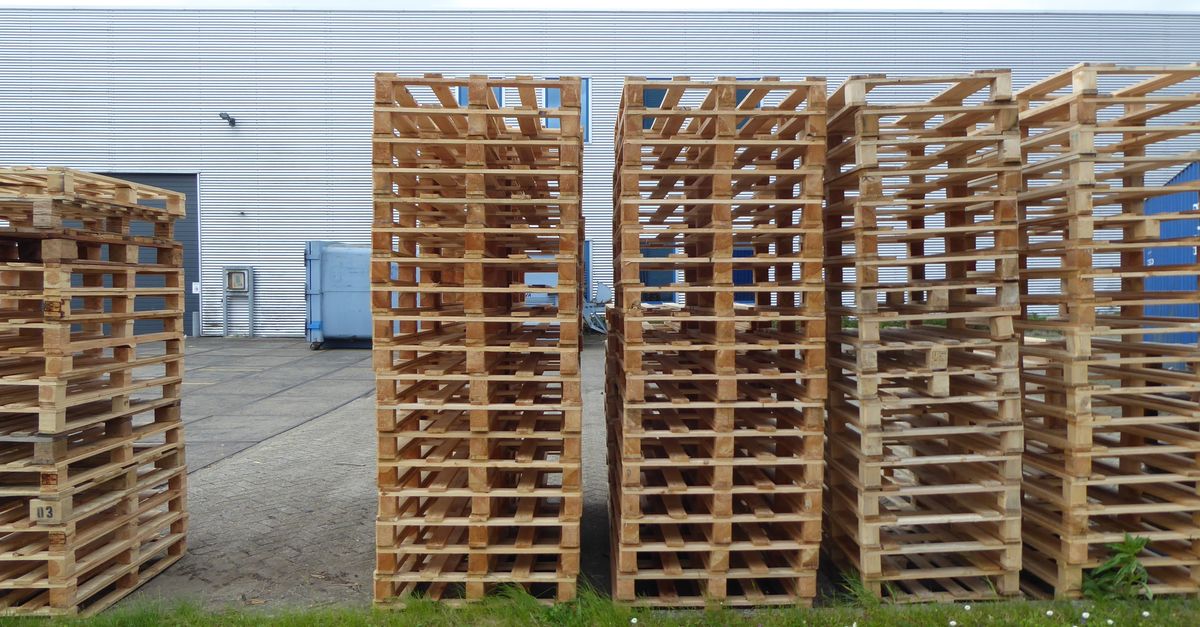
Pallet shipments are the backbone of wholesale distribution. Next‑day pallet delivery promises that freight arrives before the end of the business day after booking. In my experience, this model works best when you need to restock retail shelves or deliver critical parts to a manufacturing line.
Key Considerations for Choosing Next‑Day Pallet Delivery
- Volume and Weight: Most carriers cap next‑day pallet service at 5,000 lbs per shipment. Exceed that, and you’ll need freight or less‑than‑truckload (LTL) options.
- Route Coverage: Major hubs like Las Vegas to Phoenix are covered by most providers, but remote areas may require a local partner.
- Cost Structure: Prices vary between flat‑rate and per‑weight. Compare the total cost of expedited versus scheduled pickup plus freight.
- Tracking Transparency: Real‑time GPS and automated status emails reduce the need for manual follow‑up.
- Packaging Requirements: Pallet dimensions must fit standard ISO pallets (48”×40”). Non‑standard sizes incur additional handling fees.
If you’re already using a freight broker, adding next‑day pallet delivery can be as simple as swapping the service level in your shipment portal. The real benefit is the predictable arrival window that lets downstream teams plan without surprises. Many carriers also offer load‑optimization tools; by grouping multiple orders onto one pallet, you can cut costs and minimize handling time.
Scheduled Pickup Services: Predictability for Routine Shipments
For businesses with regular shipping patterns—think subscription boxes, e‑commerce returns, or periodic equipment deliveries—a scheduled pickup service offers a fixed timetable. I’ve set up weekly pickups for my own studio’s art supplies, and the consistency saved me hours of phone calls.
Benefits of Scheduled Pickups
- Cost Predictability: A flat monthly fee eliminates variable per‑shipment charges.
- Reduced Staffing Needs: Automated pickup scheduling frees your warehouse crew for other tasks.
- Enhanced Visibility: Service level agreements (SLAs) guarantee on‑time pickups, which is critical when you’re handling perishable goods.
- Easy Integration: Most carriers offer API hooks to sync with inventory systems.
A common mistake is assuming scheduled pickup equals low cost. In reality, if your shipment volume dips below the carrier’s minimum threshold, you may end up paying more per pound than on a pay‑as‑you‑go basis. Always benchmark against actual usage before committing. Many carriers now provide dynamic pricing models that adjust monthly rates based on historical load; this can further smooth out cost swings.
Home and Office Courier: Small‑Scale Precision
For documents, prototypes, or small parts that need to move between offices—or from home to a client—home and office couriers are ideal. I’ve used this service to send design mockups across the city, and the turnaround was under 30 minutes.
When to Opt for Home and Office Courier
- Size Constraints: Packages up to 50 lbs and dimensions not exceeding 24”×18” are typical limits.
- Urgency: Same‑day or next‑day delivery is standard; many providers offer scheduled pickups at the office.
- Security Needs: Hand‑off with signature confirmation ensures the package lands in the right hands.
- Cost Efficiency: For occasional shipments, a flat fee per run can be cheaper than freight or pallet services.
Because these couriers often operate on a local level, they’re more flexible with pickup times. If you need to drop off something at 10 p.m., the carrier might still accommodate it—something large freight companies rarely do. Many home‑office courier apps also let you track the driver in real time and lock the delivery until the recipient signs.
Emergency Courier: When Time Is Literally Money
An emergency courier fills the gap between a critical failure and a scheduled shipment. Think of a broken HVAC unit that needs an immediate replacement part, or a medical sample that must reach a lab within hours. I once coordinated a midnight pickup for a life‑support component; the carrier’s on‑call 24/7 support saved us from a costly delay.
Characteristics of Emergency Courier Services
- Availability: 24/7, often with a dedicated hotline.
- Priority Routing: Packages bypass normal traffic queues and receive express handling.
- Price Point: Premium rates apply—typically 2–3× the standard cost.
- Documentation: A clear emergency brief ensures the carrier understands urgency.
The key to leveraging this service is pre‑planning. Have a list of vetted carriers ready, and maintain an “emergency kit” with contact info, SOPs, and any required regulatory documentation. Without that groundwork, you’re simply paying for panic. In sectors like healthcare or aerospace, many firms embed emergency courier contracts into their overall supply‑chain risk plans.
On‑Demand Courier: Flexibility Meets Speed
On‑demand couriers are the Uber of logistics—book a ride, and a driver picks up your package within minutes. I’ve used on‑demand services to ship small art supplies between my studio and clients, and it’s surprisingly reliable for lightweight items.
Pros and Cons of On‑Demand Couriers
- Speed: Pickup times can be under 15 minutes in dense urban areas.
- Scalability: Best for occasional, low‑volume shipments; bulk orders are inefficient.
- Cost Variability: Rates fluctuate based on demand, distance, and time of day.
- Reliability: Service quality depends on local driver networks; in 2026, most cities have robust ratings systems.
If you’re juggling multiple small deliveries across a city, an on‑demand platform can reduce administrative overhead. Just be mindful of the surge pricing during peak hours—what looks cheap at first glance may end up costing more than a scheduled pickup. Many platforms now offer “commitment” plans that lock in rates for frequent users.
The most common mistake businesses make is treating all shipping models as interchangeable; each has its own cost structure, speed, and suitability for package characteristics.In my experience, the smartest strategy blends several services: use scheduled pickups for routine shipments, next‑day pallets for large inventory moves, home and office couriers for day‑to‑day office logistics, emergency couriers for critical failures, and on‑demand options when speed trumps cost for small items. By mapping each shipment type to its most efficient carrier model, you can reduce wasted miles, avoid bottlenecks, and keep your supply chain resilient.
What shipping model do you find most challenging to integrate into your business workflow, and why?


