
How do motorcycle delivery services support B2B logistics, subscription models, and same‑day delivery?
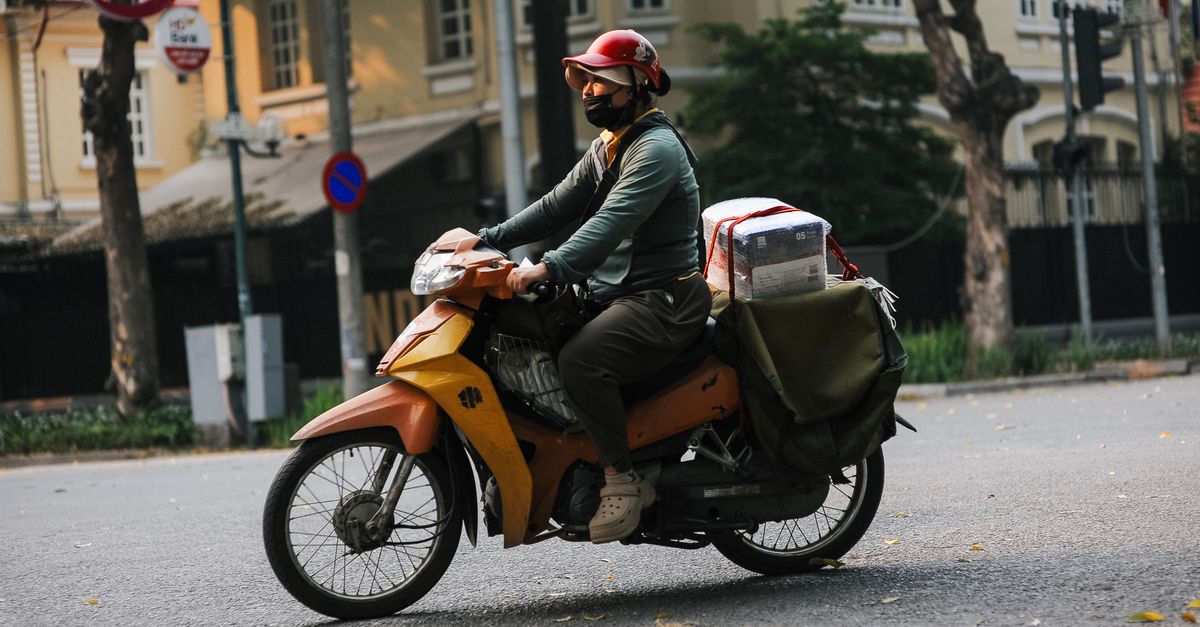
I’ve spent the last decade building and scaling logistics solutions that cut through complexity. When a client asks if motorcycles can be part of their B2B supply chain, I usually start by answering the hard question: What role can motorcycle delivery services play in modern business‑to‑business logistics? The answer is multi‑layered—motorcycles offer speed, agility, and cost advantages that fit well with subscription-based logistics and same‑day delivery requirements. Below, I break down how these services integrate into B2B operations, address customs clearance for international moves, and outline practical steps to evaluate their fit.
1. Understanding Motorcycle Delivery Services
Motorcycle delivery services are specialized fleets that use two‑wheel vehicles to transport goods between business locations or from warehouses to retail partners. Unlike trucks, motorcycles can navigate congested urban streets, avoid traffic bottlenecks, and make multiple stops within a short time frame. They typically handle parcels up to 20–30 kg (44–66 lbs) and are ideal for high‑value, time‑sensitive items.
Key Characteristics of Motorcycle Delivery Fleets
- Capacity: 1–2 standard cargo boxes or modular containers; usually < 25 kg per load.
- Speed: Average city delivery speed ~30 mph, with peak times reaching 50+ mph on open roads.
- Cost Structure: Lower fuel consumption and maintenance costs compared to light trucks.
- Flexibility: Ability to pivot routes within minutes; ideal for last‑mile adjustments.
- Environmental Footprint: Reduced emissions per kilogram delivered, especially with electric or hybrid models.
Because of these traits, motorcycle delivery services are increasingly adopted by B2B companies that need rapid turnover—think pharmacies delivering prescription refills to clinics or tech firms shipping hardware components to manufacturing lines. A regional medical distributor, for example, uses a fleet of 12 motorcycles to circulate critical supplies among five outpatient centers within a 25‑mile radius, cutting delivery time from four hours to under thirty minutes.
2. Integrating Motorcycles into Business‑to‑Business Logistics
When I consult with logistics managers, the first step is mapping out the current supply chain. The goal is to identify where a motorcycle fleet can shave time and cost while maintaining service quality. Here’s how it typically fits:
2.1 Traditional Trucking vs Motorcycle Delivery
Trucks dominate long‑haul routes, but they struggle with urban last‑mile delivery due to traffic congestion and high parking fees. Motorcycles excel in the “last mile” segment, especially when the distance between hubs is under 30 miles. They can also bridge gaps between truck stops and final destinations.
2.2 Hybrid Models
A hybrid model combines a core truck fleet for long‑haul and regional distribution with a motorcycle overlay for city delivery. This approach maximizes coverage while keeping costs in check. For example, a manufacturer might ship bulk components to a warehouse via truck, then use motorcycles to deliver parts to assembly lines within the same facility or adjacent buildings.
Hybrid Model Implementation Steps
- Route Analysis: Map current truck routes and identify last‑mile segments with high congestion.
- Load Profiling: Determine weight and volume of goods suitable for motorcycle transport.
- Fleet Sizing: Calculate number of motorcycles needed based on peak demand and average delivery times.
- Technology Integration: Sync GPS tracking, load‑management software, and real‑time dispatch dashboards.
- Compliance Checks: Ensure vehicles meet local licensing and safety regulations.
This hybrid approach often reduces overall transit time by 15–25% and cuts last‑mile costs by up to 30% compared to a truck‑only strategy. A mid‑size distributor in Chicago reported that after adding an overlay of eight motorcycles, the average delivery window shrank from 3 hours to just 90 minutes on peak days.
3. Subscription-Based Logistics on Motorcycles
Subscription logistics—where businesses pay a recurring fee for guaranteed delivery slots—has become popular in e‑commerce and B2B sectors. Motorcycles fit naturally into this model because of their predictable scheduling and low operational overhead.
In my experience, deploying a motorcycle subscription service for a regional pharmacy chain reduced their fulfillment cycle from 48 hours to under 12, while keeping the monthly cost below what they paid for overnight courier services.Benefits of Subscription Models with Motorcycles
- Predictable Capacity: Clients know exactly how many deliveries will occur each day.
- Cost Transparency: Flat rate per delivery or per load eliminates surprise fees.
- Improved Reliability: Dedicated fleet reduces variability in service levels.
- Enhanced Data Visibility: Real‑time dashboards allow clients to track deliveries and forecast demand.
Designing a Subscription Plan
- Define Service Levels: e.g., 1–3 deliveries per day, same‑day delivery within 2 hours, or next‑day pickup.
- Set Pricing Tiers: Base rate plus add‑on for premium services like temperature control.
- Establish SLA Metrics: On‑time delivery %, average handling time.
- Automate Billing: Integrate with client invoicing systems or use a subscription platform.
Subscription logistics also enable better inventory management for suppliers because they can forecast demand more accurately and adjust production schedules accordingly. A small electronics supplier, for instance, uses the subscription data to align its monthly manufacturing run with confirmed delivery commitments, eliminating overstocking of critical components.
4. Same‑Day Delivery Capabilities and Limitations
Motorcycles are the most cost‑effective vehicle type for same‑day delivery in dense urban environments, but they must be paired with efficient routing software to avoid traffic delays.The core advantage of motorcycles is speed—especially when the distance between pickup and drop‑off points is under 20 miles. However, there are practical limits:
- Load Size: Heavier than 30 kg can’t be accommodated without a larger vehicle.
- Road Restrictions: Some cities restrict motorcycle traffic on certain roads during peak hours.
- Weather Conditions: Heavy rain or snow can reduce safety and increase delivery times.
To maximize same‑day performance, integrate a dynamic routing engine that accounts for real‑time traffic data and predicts optimal pickup windows. For instance, dispatching a rider at 9:00 AM to collect from a supplier in downtown allows arrival at the client by 10:30 AM under typical conditions. When peak hour restrictions apply, scheduling a pre‑pickup window at 8:30 AM can bypass congested arteries and maintain the promised delivery slot.
5. Customs Clearance Services for International B2B Shipments
When motorcycles cross borders—say, transporting high‑value components from Shenzhen to Dallas—the logistics team must handle customs clearance efficiently. Motorcycles can serve as a rapid courier between border points and local warehouses, but the freight itself still requires proper documentation.
Key Customs Clearance Steps
- Classification: Accurate HS codes for goods determine duty rates.
- Documentation: Commercial invoice, packing list, export license if required.
- Valuation: Declare the correct value to avoid penalties.
- Use Pre‑Clearance Programs: e.g., Customs‑Trade Partnership Against Terrorism (C‑TPAT) for faster entry.
In practice, I’ve partnered with a customs broker who integrates API feeds into the dispatch system. This ensures that once the motorcycle arrives at the port of entry, the clearance paperwork is already filed and ready for inspection, cutting down the typical 24–48 hour wait to under 12 hours. For shipments requiring expedited processing, leveraging the ATA Carnet or simplified export declarations can further accelerate delivery.
6. Practical Decision‑Making Checklist
Before adding motorcycles to your B2B logistics mix, run through this checklist:
Decision Matrix
- Demand Volume: Do you have enough daily deliveries to justify a dedicated fleet?
- Geographic Distribution: Are most customers located within 15–25 miles of hubs?
- Load Characteristics: Are items lightweight and time‑sensitive?
- Cost Sensitivity: Can the cost savings offset any potential service gaps?
- Regulatory Landscape: Do local laws allow motorcycle deliveries in your target zones?
If you score high on most items, a motorcycle overlay can be a strategic win. If not, consider hybrid or alternative last‑mile solutions. A simple scoring rubric—assigning 1 to 5 points for each criterion and summing the total—can help quantify readiness. For example, a company that scores above 18 out of 25 may proceed with a pilot program.
7. Common Mistakes and Mitigation Strategies
Even seasoned logistics managers fall into pitfalls when deploying motorcycles:
- Underestimating Training Needs: Riders must be skilled in urban navigation, safety protocols, and customer service.
- Ignoring Weather Impact: Plan for backup routes or refrigerated trailers when conditions are adverse.
- Overloading Vehicles: Stick strictly to weight limits to avoid insurance liabilities.
- Lack of Real‑Time Visibility: Without GPS tracking, you can’t guarantee SLA compliance.
- Neglecting Maintenance Cycles: Regular checks prevent breakdowns that could derail same‑day commitments.
Implement a robust monitoring dashboard and schedule quarterly reviews to catch issues early. Pairing the fleet with predictive maintenance software can reduce downtime by up to 20%. Additionally, investing in rider safety gear—helmets, reflective vests, and weather‑appropriate apparel—boosts both compliance and morale.
What is your biggest challenge when integrating motorcycle delivery into an existing B2B logistics framework?


