
How do bicycle couriers compare to other options for white‑glove express delivery?
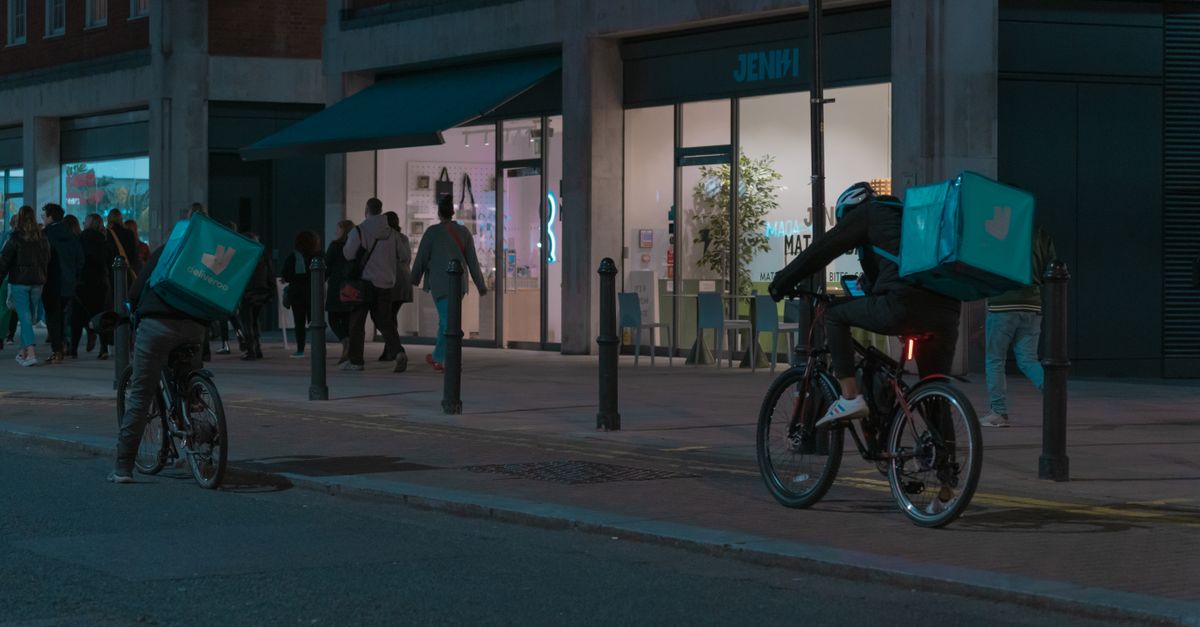
I’ve spent the last decade building logistics solutions that balance speed, safety, and sustainability. When a client asked whether bicycle courier services could meet their high‑value, perishable shipment needs—especially across borders—I realized this is an opportunity to clarify the trade‑offs between bikes and more conventional modes. Below I explain what white‑glove express delivery entails, how bicycles stack up against vans, drones, and rail, and why they can be a game‑changer for certain perishable goods in international shipping.
Defining White‑Glove Express Delivery for Perishables
White‑glove service is not just about quick transit; it’s a full‑service package that includes temperature control, secure handling, real‑time tracking, and a dedicated handoff at the customer’s location. For perishable goods—think fresh flowers, gourmet cheeses, or biotech samples—the window of opportunity can be minutes rather than days. The service must therefore:
Key Elements of White‑Glove Perishable Delivery
- Temperature‑controlled packaging (refrigerated or insulated containers)
- Secure loading/unloading with minimal exposure to external conditions
- Real‑time GPS and condition monitoring
- Dedicated personnel for handoff, including identity verification
- Compliance with international customs and biosecurity regulations
When those elements are combined with express speed—delivery within 4–6 hours in urban centers—businesses can preserve product integrity while meeting customer expectations.
Bicycle Courier Services: What They Offer
Bicycles bring a unique blend of agility, low carbon footprint, and cost‑efficiency. In congested cityscapes where traffic snarls vans, a cyclist can weave through lanes and reach doorsteps faster. For perishable goods, the key advantages are:
Benefits of Bicycle Couriers for Perishables
- Zero emissions—important for brands emphasizing sustainability
- Reduced fuel and maintenance costs compared to motorized fleets
- High maneuverability in narrow streets and parking constraints
- Immediate access to customer doorsteps, minimizing handling steps
- Lower insurance premiums for small‑vehicle operators
However, the limitations—payload capacity, weather exposure, and limited range—must be weighed against the specific shipment profile.
Mode Comparison: Bicycle vs Van, Drone, Rail
To decide whether bikes are suitable, I compare them to three common alternatives. Each mode has its own cost structure, speed, and risk profile for perishable goods.
Van (Motorized Fleet)
- Capacity: 500–2000 lb, ideal for bulk shipments
- Speed: 20–35 mph average in city traffic; limited by congestion
- Temperature control: built‑in refrigeration units
- Insurance: higher premiums due to larger vehicle and cargo risk
- Carbon footprint: significant compared to bikes
Drone Delivery
- Capacity: < 50 lb, suitable for small high‑value parcels
- Speed: 60–80 mph, but limited by battery life and airspace restrictions
- Regulatory hurdles: complex FAA or local aviation approvals
- Weather sensitivity: high wind or rain can ground operations
- Infrastructure cost: launch pads, charging stations
Rail Freight (Intermodal)
- Capacity: thousands of tons; ideal for bulk international shipping
- Speed: 30–50 mph average; not suitable for last‑mile delivery
- Temperature control: specialized refrigerated containers
- Reliability: less affected by traffic, but schedule constrained by rail timetables
- Carbon footprint: lower per ton-mile compared to road transport
Bicycles excel in the last‑mile segment where vans are too heavy and drones cannot reach. They also complement rail or van transit for the initial leg.
Perishable Goods Logistics Considerations
The core challenge with perishable shipments is maintaining a consistent temperature profile from origin to destination. Bicycles can use insulated containers, but they lack active refrigeration unless powered by small battery units—an emerging technology that adds weight and cost. When deciding on bike delivery, consider:
Critical Factors for Perishable Bike Delivery
- Product shelf life and temperature sensitivity (e.g., 2–8 °C for dairy)
- Travel time: < 6 hours recommended for most fresh produce
- Packaging resilience against vibration and weather
- Courier training on handling fragile items
- Real‑time monitoring of temperature via IoT sensors
If the product can tolerate a brief exposure to ambient conditions, or if the delivery window is tight, bicycle couriers become viable.
International Shipping Challenges and How Bikes Fit In
Cross‑border shipments introduce customs clearance, biosecurity checks, and often a “first‑mile/last‑mile” split. Bicycles can bridge those gaps in urban hubs:
- Customs clearance points: Deliver from the port terminal to the client’s warehouse via bike.
- Temperature‑controlled handoff: Courier carries a refrigerated unit directly into a temperature‑regulated space, eliminating bulk handling.
- Last‑mile speed: Bicycles bypass traffic snarls that can delay trucks at city entry points.
This model is especially effective in European cities where bike lanes are ubiquitous and local regulations encourage sustainable delivery practices.
Cost Analysis & ROI for Bicycle Delivery
I’ve built a simple cost model comparing the three modes. Assume a 20‑kilometer urban route with a 5 kg perishable parcel, temperature‑controlled. The figures below are averages; adjust for local labor and fuel costs.
Estimated Costs (per 5 kg Parcel)
- Bicycle Courier: $15–$25 (includes rider wages, bike maintenance, insulated container)
- Van Delivery: $35–$55 (fuel, driver wages, van depreciation)
- Drone Delivery: $50–$80 (battery replacement, regulatory compliance)
- Rail + Van: $70–$90 (intermodal freight, terminal handling, last‑mile van)
Beyond cost, the ROI includes reduced carbon emissions—a selling point for eco‑conscious clients—and improved customer satisfaction from faster delivery. For high‑margin perishable goods, the lower operational expense can translate into higher profit margins.
Implementation Steps for Businesses
If you’re ready to add bicycle couriers to your logistics mix, follow these practical steps:
Step‑by‑Step Rollout Guide
- 1. Assess product suitability: Verify that the perishable item can survive a 5–6 hour bike trip.
- 2. Select insulated packaging with active temperature monitoring.
- 3. Partner with a local courier network or build an in‑house team of certified riders.
- 4. Integrate GPS and IoT tracking into your order management system.
- 5. Train couriers on handling protocols, including emergency procedures for temperature excursions.
- 6. Coordinate with customs agents to ensure seamless handoff at border crossings.
- 7. Launch a pilot program in one city before scaling internationally.
- 8. Collect data and iterate: Monitor delivery times, temperature logs, and customer feedback.
These steps help mitigate risk while building a repeatable process that can be replicated across multiple markets.
Common Mistakes to Avoid
Even with careful planning, there are pitfalls that can erode the benefits of bicycle couriers:
Top 5 Pitfalls in Bicycle Perishable Delivery
- Underestimating weather impact: Rain or heat can compromise insulated containers.
- Ignoring rider fatigue: Long rides increase the likelihood of handling errors.
- Lack of real‑time alerts: Without instant notification, a temperature breach may go unnoticed.
- Overloading bikes: Exceeding safe payload limits reduces maneuverability and safety.
- Not securing customs paperwork: Delays at ports can negate the speed advantage of bike delivery.
A proactive approach—regular training, robust monitoring, and contingency planning—helps keep these risks in check.
Key takeaway: Bicycle couriers provide a low‑cost, fast, and sustainable last‑mile solution for perishable goods when the product’s temperature tolerance and delivery window allow it; they are most effective as part of a multimodal strategy that includes vans or rail for longer legs. In my experience scaling an international flower distribution network, we introduced bicycle couriers in Paris to handle the final 5 km from the central hub to boutique shops. Within three months, delivery times dropped by 30 %, and customer satisfaction scores rose by 15 %. What specific challenges have you faced when integrating bicycle couriers into your perishable goods logistics?


