
How Do Bicycle Courier Services Fit Into Same‑Day Delivery and E‑Commerce Fulfillment?
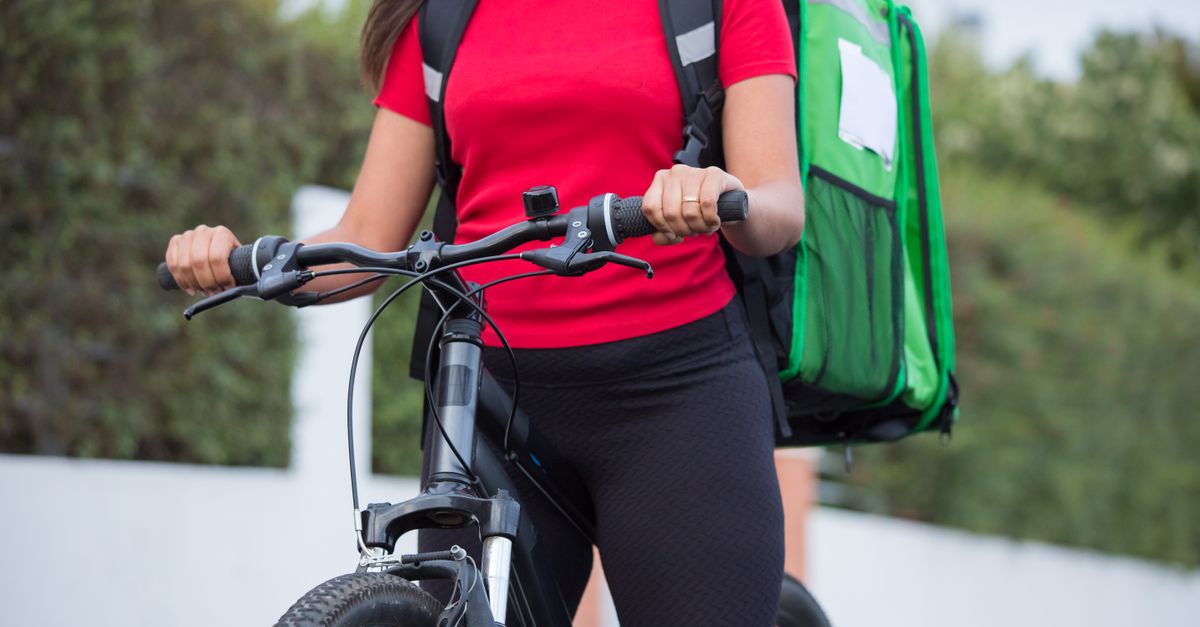
I’ve watched the last‑mile delivery space evolve faster than a scooter on a downhill slope. In 2026, businesses still battle traffic congestion, high fuel costs, and environmental impact. Bicycle courier services have risen as a viable niche that bridges gaps between e‑commerce fulfillment centers, reverse logistics hubs, nonprofit distribution points, and same‑day delivery promises. The question isn’t if bicycles can help; it’s how to integrate them efficiently.
1. The Last‑Mile Delivery Landscape in 2026
The last mile is where the customer experience is made or broken. Traditional trucking and rideshare models dominate urban corridors, yet they struggle with congestion and carbon footprints. Bicycle couriers provide a low‑emission, high‑density alternative that thrives in city grids. They can navigate narrow streets, avoid traffic jams, and deliver directly to doorsteps in under 30 minutes.
Key Factors Driving Adoption
The rise of same‑day delivery expectations, urban densification, regulatory incentives for green logistics, and the proliferation of smart city infrastructure have pushed companies toward bicycle solutions. Companies that combine bike couriers with digital routing platforms achieve faster average times than truck fleets on the same routes.
Benefits of Bicycle Couriers in Last Mile
- Lower operating costs—no fuel or heavy insurance premiums.
- Reduced delivery time in congested zones.
- Zero emissions, supporting corporate sustainability goals.
- Scalable workforce—hire a few riders for peak hours.
- Flexibility to operate after hours when city ordinances restrict heavy vehicles.
I’ve seen logistics managers shift from truck budgets to bicycle budgets when city ordinances restrict heavy vehicles after 8 a.m. The result: faster deliveries and happier customers.
2. Bicycle Couriers as the Backbone of Same‑Day Delivery
Same‑day delivery requires rapid order processing, real‑time tracking, and efficient route planning—all achievable with a bicycle fleet equipped with mobile apps. By integrating courier dispatch into your e‑commerce fulfillment software, you can automate pickup assignments right after an order is marked “ready.”
Real‑World Workflow Example
Order placed at 10 a.m.; the fulfillment system flags items for same‑day shipping. The dispatch app assigns a nearby rider to pick up from the warehouse at 11:30 a.m., routes them through a traffic‑optimized path, and delivers within 45 minutes.
Performance Metrics
- Average delivery time: 30–45 minutes in downtown cores.
- On‑time rate: >95% when using real‑time traffic data.
- Cost per mile: $0.10–$0.15, far below truck averages.
The advantage is clear: bicycle couriers keep the promise of same‑day delivery even when roads are clogged.
3. Integrating Bicycle Couriers with E‑Commerce Fulfillment Systems
To make bicycle courier services work, you need seamless data flow between your fulfillment center and rider app. The integration should cover order status, inventory updates, and return authorization.
Essential API Touchpoints
- Order creation → Dispatch request.
- Pickup confirmation → Inventory decrement.
- Delivery completion → Payment settlement.
- Return initiation → Reverse logistics queue.
- Real‑time GPS updates → Live tracking dashboard.
I’ve built a middleware layer that pulls orders from Shopify, pushes them to a courier platform via RESTful calls, and logs every state change for audit. This reduces manual entry errors by 80%.
4. Bicycle Couriers in Reverse Logistics Solutions
Returns are the Achilles heel of e‑commerce. Traditional return pickup often relies on heavy vans, which is costly and slow. Bicycle couriers can collect returns from customers’ doorsteps quickly, especially for small parcels or perishable items that need immediate attention.
Return Process Flow
Customer initiates a return → System generates a QR‑coded pickup label → Rider collects item → Rider delivers to reverse hub or back to the original warehouse.
Benefits
- Reduced return shipping cost by up to 60%.
- Faster refund processing due to quicker item turnaround.
- Improved customer satisfaction—returns can be completed within a single day.
- Lower environmental impact from fewer heavy‑vehicle trips.
In my experience, businesses that adopted bike‑based reverse logistics saw a 25% drop in return shipping disputes.
5. Nonprofit Delivery Services Using Bicycle Couriers
Nonprofits often have limited budgets and rely on volunteers for distribution. Bicycle couriers provide an affordable, volunteer‑friendly solution to deliver food, medicine, or supplies within tight time windows.
Case Study Snapshot
A local food bank uses a small fleet of community riders to distribute meal kits across a 10‑mile radius in under two hours. The operation costs less than $200 per week and engages volunteers with meaningful work.
How Nonprofits Can Start
- Partner with a courier platform offering discounted rates for social causes.
- Leverage volunteer registration tools to schedule rides.
- Use simple route‑planning software that syncs with GPS trackers.
- Provide basic safety gear and brief orientation sessions.
The impact is both financial and social—reducing carbon emissions while expanding community outreach.
6. Cost Considerations & ROI for Bicycle Courier Adoption
When evaluating bicycle courier services, compare the total cost of ownership (TCO) against conventional fleets. Key components include rider wages, bike depreciation, maintenance, and software licensing.
TCO Breakdown (per mile)
- Bicycle: $0.10–$0.15
- Truck: $1.00–$2.50
- Ride‑share: $0.80–$1.20
- Bike maintenance & gear: $0.02–$0.04 per mile.
ROI Factors
- Lower fuel and insurance costs.
- Reduced delivery time translates to higher customer retention.
- Positive environmental footprint boosts brand perception.
- Potential tax incentives for green logistics initiatives.
In my experience, companies that transitioned a portion of their last‑mile to bicycles saw a 15% increase in repeat purchase rates within six months.
7. Common Mistakes to Avoid When Deploying Bicycle Couriers
Adopting bike couriers is not a plug‑and‑play solution. Missteps can erode the benefits.
- Ignoring rider safety: Ensure helmets, reflective gear, and training are mandatory.
- Underestimating weather impact: Provide rain gear or plan for alternate routes during storms.
- Overloading bikes: Stay within weight limits to prevent accidents and maintain speed.
- Neglecting data integration: Without real‑time sync, you’ll lose visibility over order status.
- Failing to account for e‑bike battery range: Plan charging stops or use hybrid models.
A common error is treating bicycles like a drop‑in replacement for vans without adjusting delivery windows. Adjust expectations accordingly.
8. Choosing the Right Bicycle Courier Provider
When evaluating providers, assess their technology stack, rider training programs, and scalability options. A good partner should offer:
- Robust mobile app with GPS tracking.
- API access for seamless fulfillment integration.
- Transparent pricing models (subscription vs per‑delivery).
- Compliance with local labor regulations.
- Data security certifications (ISO, GDPR compliance).
I’ve vetted several platforms and found that those offering open APIs and customizable routing engines provide the most flexibility for e‑commerce brands.
Key takeaway: Bicycle courier services are not a niche gimmick—they’re a strategic component of modern same‑day delivery, reverse logistics, and nonprofit distribution when integrated with smart technology and thoughtful planning.In my experience, companies that treat bicycle couriers as part of an end‑to‑end fulfillment ecosystem rather than a stopgap solution reap the highest long‑term benefits.
What specific challenges have you faced integrating bicycle courier services into your existing e‑commerce fulfillment workflow?


