
How Do Bicycle Courier Services Compare to Air Cargo for Multi‑Stop Delivery of Perishable Goods?
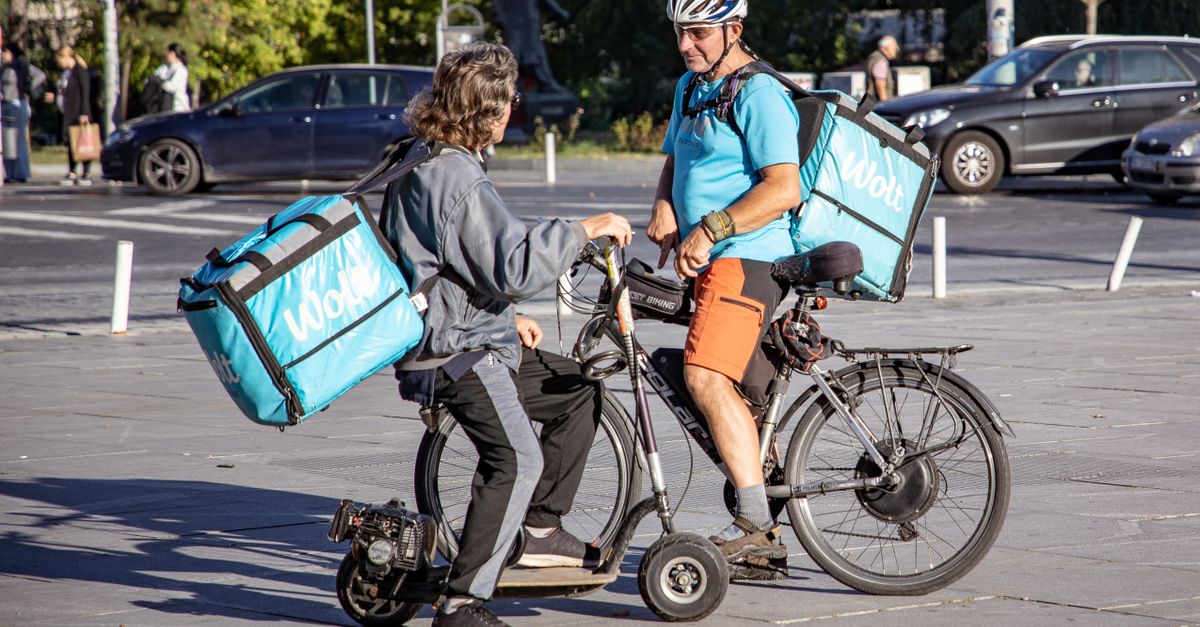
The question on every small business owner’s mind is whether a nimble bicycle courier or a high‑speed air cargo service is the right fit for delivering perishable goods across multiple stops. In this review I break down each option, highlight critical logistics factors, and provide a practical framework to decide which model serves your operation best.
Understanding the Delivery Landscape for Perishable Goods
Perishable goods—anything that requires controlled temperature, rapid transit, or both—present unique challenges. The delivery ecosystem can be divided into five overlapping categories: bicycle courier services, multi‑stop delivery routes, cold chain logistics, air cargo couriers, and perishable goods couriers. Each has distinct strengths, but none is a one‑size‑fits‑all solution.
Key factors that influence the choice include distance (short vs long haul), volume, product sensitivity, regulatory compliance, cost structure, and environmental impact. These elements must be weighed in tandem with your business model’s scale and growth trajectory.
Bicycle Courier Services – Strengths and Limits
When I launched a local farm‑to‑table delivery service last year, bicycle couriers were my first choice for the city core. Their advantages are clear: low operating cost, zero fuel expenses, high maneuverability in congested streets, and a built‑in carbon footprint advantage.
Pros
- Operating costs < 10% of truck or air cargo
- Zero emissions; aligns with sustainability goals
- Rapid navigation through traffic; ideal for last‑mile delivery
- Scalable workforce—hire and train quickly
- Enhanced customer perception – a “green” image that resonates with eco‑conscious consumers
Cons
- Limited payload (typically < 100 lbs per bike)
- Vulnerability to weather extremes (rain, heat, wind)
- Shorter range; not suitable for long‑haul multi‑stop routes
- Requires rigorous cold chain packaging and temperature monitoring on the go
- Physical demands on couriers can lead to fatigue, especially over longer routes or with heavier loads
The bottom line is that bicycle couriers excel in dense urban environments where the route is short enough to keep perishable goods within safe temperature windows. They also thrive when the product is high‑margin and time‑sensitive, allowing businesses to offer premium “same‑day” delivery without a proportional cost spike.
Multi‑Stop Delivery Routes: Efficiency vs Complexity
Routing a single courier through multiple stops can reduce costs, but it introduces scheduling complexity. A well‑designed multi‑stop plan balances load capacity with time constraints and temperature drift risks.
Best Practices for Multi-Stop Planning
- Use route optimization software that accounts for traffic patterns and stop priorities
- Cluster deliveries by product type to minimize cross‑contamination
- Set strict departure windows based on cold chain tolerances
- Implement real‑time telemetry for temperature and location monitoring
- Schedule buffer time for unforeseen delays (e.g., weather, traffic)
- Train couriers in “just‑in‑time” loading to preserve the integrity of each product’s temperature profile
A disciplined approach turns a chaotic itinerary into a predictable revenue stream. For example, a courier can serve 12 stops within an eight‑hour window if each stop averages five minutes, but adding even a single long pause for weather‑related delays can push the entire route beyond the safe temperature threshold.
Cold Chain Logistics in Urban Settings
Maintaining the temperature of perishable goods from origin to destination is non‑negotiable. Even a brief lapse can render a product unusable and damage brand reputation.
Critical Requirements for Cold Chain Integrity
- Insulated packaging with active temperature control (refrigerated containers or phase‑change materials)
- Continuous temperature logging with alerts for deviations
- Compliance with local health regulations and HACCP standards
- Training couriers on handling protocols to avoid spills and contamination
- Emergency backup plans (e.g., spare battery packs, alternate routes)
- Periodic calibration of monitoring devices to ensure data accuracy
The investment in robust cold chain infrastructure pays off through higher customer satisfaction and reduced waste. For instance, using a phase‑change material that keeps items at 4 °C for up to 12 hours can eliminate the need for refrigerated trailers when operating within city limits.
Air Cargo Courier – When Speed Trumps Cost
For deliveries that span cities or states, air cargo offers unmatched speed. Airlines and dedicated freight operators provide temperature‑controlled cabins, rapid transit times, and predictable schedules.
Pros of Air Cargo for Perishables
- Transit time often < 6 hours for intercity routes
- High reliability; scheduled departures minimize uncertainty
- Dedicated refrigerated cargo holds reduce temperature drift risk
- Insurance options tailored to high‑value goods
- Integrated customs clearance for cross‑border shipments, reducing manual paperwork
Cons of Air Cargo
- Significant cost per kilogram, especially for small volumes
- Airport access fees and handling charges add complexity
- Limited flexibility for last‑mile delivery; requires ground transport integration
- Carbon emissions remain high compared to local alternatives
- Potential delays due to weather or security protocols at the departure airport
Air cargo is most effective when the product’s value justifies the expense and the distance exceeds 300 km. It also shines for “just‑in‑time” deliveries where a 12‑hour window is critical, such as fresh seafood shipments to upscale restaurants.
Comparing Bicycle vs Air Cargo for Multi‑Stop Perishable Delivery
When I mapped out a 200 km cross‑state route, bicycle couriers were impractical; air cargo delivered the goods in half the time but at triple the cost. The trade‑offs boil down to:
- Cost per mile: Bicycle < $0.50/mile vs Air Cargo > $3/mile for small loads.
- Delivery window: 24 hours for bike, 12 hours for air.
- Carbon footprint: Bike < 0.1 kg CO₂e per delivery, Air > 5 kg CO₂e.
- Reliability: Bikes are weather‑dependent; air cargo is schedule‑driven.
- Flexibility: Bicycles can adapt to last‑minute stops; air cargo requires pre‑planned schedules.
Practical Decision Framework for Small to Medium Businesses
Use the following steps to evaluate your delivery strategy:
- Define Volume & Distance: Calculate average weight per shipment and total route length. For example, 1 kg parcels over 50 km versus 10 kg pallets over 200 km.
- Assess Product Sensitivity: Determine temperature tolerance window (e.g., 2‑8 °C for dairy). Identify any regulatory thresholds such as “Class A” or “Class B” perishable handling.
- Calculate Cost Structure: Include vehicle, fuel, packaging, labor, insurance, and handling fees. Don’t forget indirect costs like courier training and temperature monitoring devices.
- Evaluate Environmental Goals: Align with sustainability targets—if your brand promises net‑zero deliveries by 2030, the carbon profile of each mode becomes a decisive factor.
- Choose Hybrid or Single Mode based on the analysis above. A hybrid approach often yields the best balance of speed, cost, and environmental impact.
This framework turns intuition into data‑driven decisions, reducing costly trial and error.
Common Mistakes and How to Avoid Them
A frequent pitfall is treating all perishable deliveries as a single category. Each product—be it fresh produce, dairy, or pharmaceuticals—has distinct temperature requirements, shelf life, and regulatory burdens. Mixing them in the same route without proper segregation can lead to spoilage and compliance violations. Another mistake is underestimating the cost of cold chain packaging; lightweight “cool packs” often fail when exposed to heat for extended periods.
In my experience, when I launched a local farm‑to‑table delivery service, the first year we ignored temperature monitoring on our bike routes and lost 12% of produce to spoilage. Adding real‑time telemetry saved us 18% in waste and bolstered customer trust.
Other common errors include:
- Using generic insulated bags that do not meet the product’s required thermal envelope
- Relying on manual temperature checks rather than automated logging, which introduces human error
- Failing to plan for backup routes in case of sudden weather changes or traffic incidents
- Overlooking regulatory paperwork at the origin or destination, leading to customs delays for air shipments
By addressing these pitfalls proactively, businesses can maintain product integrity, safeguard their reputation, and keep logistics costs predictable.
Conclusion: Choosing the Right Mix
The decision between bicycle courier services and air cargo is not binary; it’s a spectrum that depends on distance, volume, temperature sensitivity, cost tolerance, and environmental priorities. In dense city cores, bicycles offer unmatched agility and sustainability. Across state lines or international borders, air cargo delivers speed and reliability for high‑value items.
When you combine the two—using air freight to bridge long distances and bicycle couriers for precise, low‑carbon last‑mile delivery—you create a resilient supply chain that can adapt to market demands while staying true to sustainability commitments. Use the framework above to quantify each option’s trade‑offs, then pilot a hybrid route on a small scale before scaling up.
Ultimately, the best solution is one that keeps your products fresh, your customers happy, and your operating costs aligned with your business goals.


