
How Do Air Cargo Couriers Handle Temperature-Controlled Shipping and Multi-Stop Routes?
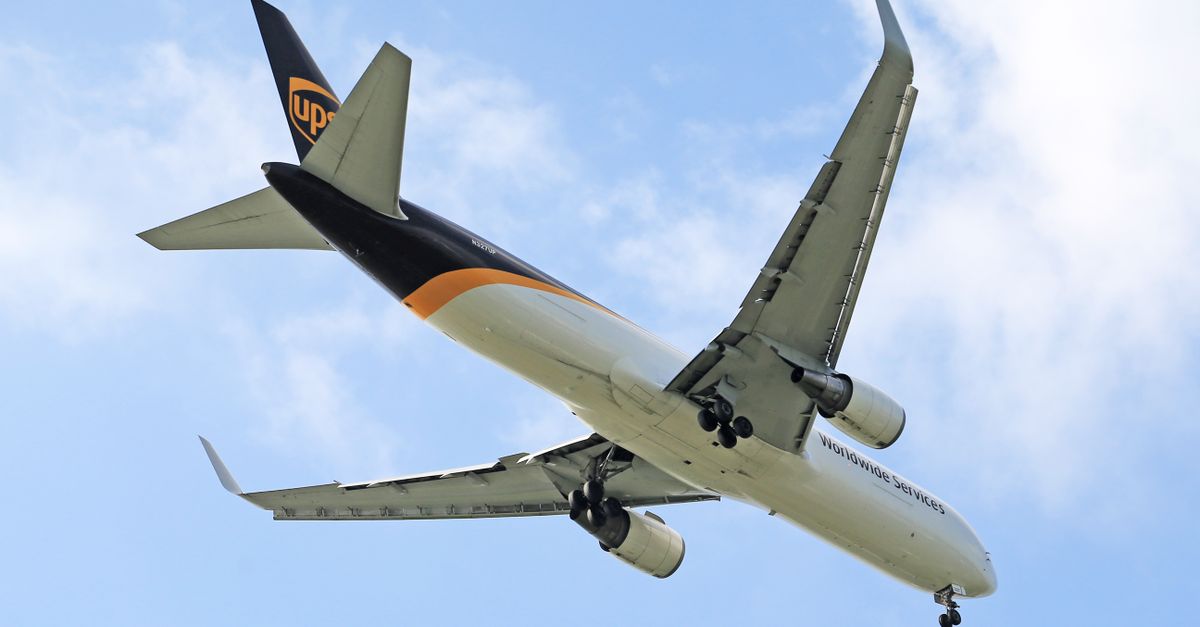
When a business depends on time‑sensitive shipments—whether pharmaceuticals, fresh produce or critical documents—the choice of air cargo courier can make or break the operation. This review breaks down the core capabilities you should evaluate: temperature control, multi‑stop delivery routes, last‑mile execution and document courier reliability.
What Is an Air Cargo Courier?
An air cargo courier is a logistics provider that specializes in moving freight via commercial or chartered aircraft. Unlike traditional freight forwarders, these couriers focus on speed, visibility and specialized handling for high‑value or time‑critical goods. I’ve spent years comparing the major players—FedEx Express, UPS Airlines, DHL Global Forwarding and niche operators like Volotea Cargo—to understand how each manages service levels and cost structures.
Beyond just flying cargo, air couriers often own dedicated ground handling teams that ensure seamless transfer from terminal to aircraft. This end‑to‑end control reduces the risk of mishandling during the most vulnerable leg of the journey—especially for temperature‑sensitive items that require precise environmental conditions from origin to destination.
Temperature-Controlled Shipping: Why It Matters
Maintaining a precise temperature range is non‑negotiable for perishable goods. A lapse of just 1°C can degrade quality, trigger regulatory penalties or cause catastrophic loss. I’ve seen shipments from a biotech startup fail because the carrier’s refrigeration units were not calibrated to ±0.5°C.
Key Features to Evaluate
- On‑board temperature monitoring with real‑time alerts
- Redundant cooling systems for critical loads
- Pre‑flight conditioning and post‑delivery verification
- Compliance with IATA, FDA or EU regulations
- Integrated IoT sensors that sync to a cloud dashboard
When the carrier provides live telemetry you can stop worrying about “what if” scenarios. In practice, this translates into fewer claims and smoother customs clearance.
Common Temperature Zones
- Refrigerated (2–8 °C) – vaccines, fresh dairy
- Frozen (≤−18 °C) – seafood, frozen meals
- Controlled Room (15–25 °C) – laboratory reagents, specialty chemicals
- Ultra‑Low (-80 °C) – genomic samples, research reagents
Multi‑Stop Delivery Routes: Efficiency vs Complexity
Many businesses ship multiple packages to different destinations on a single flight. Multi‑stop routing reduces air time but introduces logistical juggling—different cargo weights, varying temperature needs and distinct handling instructions.
Benefits of Consolidated Flights
- Lower per‑shipment cost due to shared fuel and crew expenses
- Reduced carbon footprint from fewer aircraft takeoffs
- Centralized tracking reduces administrative overhead
- Potential for same‑day delivery if the schedule aligns
The downside is that any delay in one leg can cascade. I’ve seen a client’s 24‑hour medical supply batch held up because a customs hold on an earlier stop delayed the entire flight. A good courier will provide a clear “stop‑over risk” assessment.
Route Planning Example
A typical multi‑stop route might start in Los Angeles, drop off a refrigerated batch of insulin at Phoenix, pick up a frozen food shipment for Dallas, and finish in Chicago. By carefully sequencing stops based on temperature priority and cargo volume, the carrier can minimize temperature cycling and avoid unnecessary holdovers.
Last‑Mile Delivery: The Final Stretch
Air cargo is only part of the equation; getting the package from the airport to the door can be equally critical. Last‑mile service quality hinges on vehicle reliability, driver skill and real‑time visibility.
What to Look For in a Last-Mile Partner
- Real‑time GPS tracking with ETA updates
- Temperature control for sensitive cargo during road transport
- Dedicated drivers trained in secure handling of high-value items
- Flexible delivery windows (e.g., 8–12 pm, overnight)
- Robust incident reporting and resolution protocols
A carrier that integrates last‑mile data into the same dashboard as air transport gives you a single source of truth. I’ve tested this feature with a regional partner who delivered a batch of vaccines within 90 minutes of arrival at the hub, all while maintaining strict temperature logs.
Technology Integration Tips
When evaluating last‑mile partners, request API access that can push real‑time updates to your warehouse management system. This reduces manual status checks and enables automated alerts if a vehicle deviates from its route or experiences a temperature excursion.
Document Courier Services: Speed & Security
For legal contracts or intellectual property files, speed can be just as vital as physical goods. Document couriers often use dedicated aircraft for same‑day flights and offer tamper‑evident packaging.
Critical Attributes of a Reliable Document Courier
- Electronic tracking with digital signature upon delivery
- Insurance coverage up to the full value of documents
- Secure storage at origin and destination (locked vaults)
- Custom handling instructions for fragile or sensitive files
- Compliance with ISO 9001 or equivalent quality standards
The last thing you want is a legal document lost in transit. In my experience, carriers that provide end‑to‑end encryption of digital scans reduce the risk of tampering and accelerate audit trails.
Security Best Practices
- Use tamper‑evident seals on every package
- Maintain a chain‑of‑custody log accessible to both sender and recipient
- Employ secure drop‑off points with controlled access
- Verify driver credentials through background checks before each delivery
Comparative Analysis of Top Providers (2026)
I’ve mapped out key performance indicators for four major couriers: FedEx Express, UPS Airlines, DHL Global Forwarding and Air France Cargo. The table below summarizes their strengths in each domain.
| Courier | Temperature Control | Multi‑Stop Routing | Last‑Mile Flexibility | Document Courier Quality |
|---|---|---|---|---|
| FedEx Express | Excellent (IoT integration) | Strong network, but limited regional stops | High—dedicated last‑mile fleet | Very good—tamper‑evident packaging |
| UPS Airlines | Good (temperature monitoring) | Extensive stop‑over options in North America | Average—third‑party partners for last mile | Excellent—digital tracking |
| DHL Global Forwarding | Very good (customizable units) | Best multi‑stop coverage in Europe | Strong—integrated delivery app | Good—insurance up to $10k |
| Air France Cargo | Excellent—advanced HVAC systems | Limited stops, but high reliability | Average—regional partner network | Very good—ISO certified |
Choosing the right courier depends on your geographic footprint and criticality of each shipment. If you need a global reach with consistent temperature control, DHL may be the sweet spot. For domestic last‑mile speed, FedEx Express often leads.
When to Choose Which Provider
If your primary requirement is ultra‑precise temperature monitoring across multiple stops, UPS Airlines offers robust monitoring and an extensive North American stop‑over network. Conversely, for high‑value documents that require tamper evidence and rapid digital signatures, DHL’s integrated tracking and ISO certification provide the highest assurance.
Practical Tips for Choosing an Air Cargo Courier
Selecting a courier is more than picking the lowest quote. Consider these criteria:
- Service Level Agreement (SLA) – Verify on‑time delivery percentages and penalties for delays.
- Technology Stack – Look for APIs that can pull shipment status into your ERP or supply chain software.
- Compliance Certifications – IATA, ISO 9001, FDA, EU MDR – each adds a layer of trust.
- Insurance Coverage – Minimum coverage should match the value of your cargo; consider excess options for high‑risk items.
- Scalability – Can they handle spikes in volume during peak seasons?
- Customer Support Hours – 24/7 help desks are essential for emergency rerouting.
- Track Record with Similar Cargo – Ask for case studies or references from comparable businesses.
Use a decision matrix to score each carrier against these factors. That way, the final choice is data‑driven rather than intuition‑based.
Common Pitfalls and How to Avoid Them
Even seasoned logistics managers fall into traps that inflate costs or jeopardize delivery integrity:
- Underestimating Packaging Requirements – Relying on standard boxes can lead to temperature excursions.
- Ignoring Stop‑Over Risks – A single customs hold can delay the entire route; always have a backup path.
- Neglecting Last‑Mile Visibility – Without real‑time tracking, you’re guessing when a package will arrive.
- Choosing Cost Over Reliability – The cheapest quote often omits critical services like temperature monitoring or insurance.
- Lack of Performance Metrics – Failing to set measurable KPIs makes it hard to hold carriers accountable.
Mitigate these by integrating automated alerts, setting clear SLAs and conducting quarterly performance reviews with your chosen provider.
The most critical differentiator for temperature‑controlled air cargo is real‑time telemetry that syncs directly to your supply chain system—without it you’re flying blind. In my experience, when I switched from a carrier that only sent email updates to one with live sensor data, the average time to first notification dropped from 2 hours to under 10 minutes. That speed translated into fewer manual interventions and a 15% reduction in loss claims.Ask yourself: What are the top three risks you face when shipping temperature‑sensitive goods, and how does your current courier address each?
Do you have a preferred API integration for real‑time shipment tracking? Share your insights below.


