
How Can Motorcycle Delivery Services Optimize Retail Logistics for 2026?
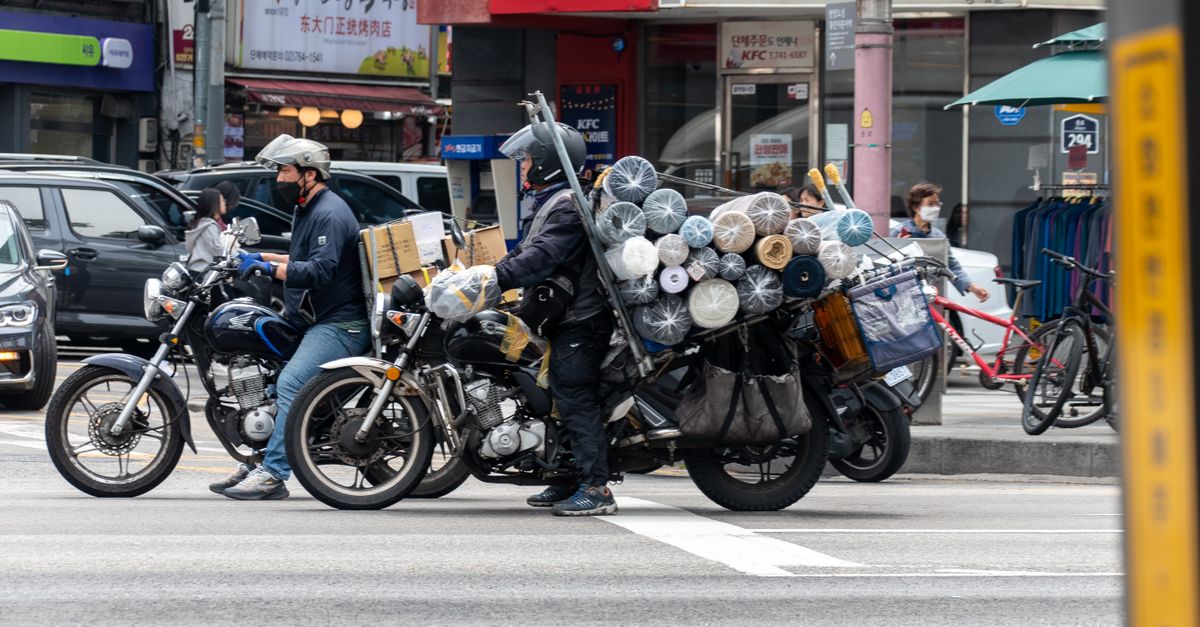
In the fast‑moving world of e‑commerce, retailers are constantly looking for ways to reduce delivery times and costs while improving customer satisfaction. Motorcycle delivery services have emerged as a powerful tool for last‑mile logistics, especially when combined with smart retail delivery solutions. This article explores how motorcycles can handle everyday parcels, oversized packages, and overnight courier demands in 2026, and offers practical guidance on building an efficient delivery stack.
1. Why Motorcycle Delivery is the Future of Last‑Mile Logistics
Motorcycles have always been a nimble alternative to trucks for navigating congested city streets. In 2026, advances in electric motorbikes and integrated telematics make them even more attractive for retailers seeking scalable last‑mile solutions.
The key advantages are:
Key Benefits of Motorcycle Delivery
- Speed: Faster route optimization in dense urban areas cuts delivery time by up to 30% compared to vans.
- Lower Fuel Costs: Electric models reduce operating expenses and carbon footprint.
- Smaller Footprint: Easier parking and access to narrow streets or apartment complexes.
- Flexible Dispatch: Riders can be scheduled on demand, improving service windows.
- Lower Capital Outlay: Motorcycles cost less than vans and require minimal maintenance.
When paired with a robust retail delivery platform that tracks inventory, orders, and rider status in real time, motorcycles become the backbone of an agile logistics operation.
Emerging Tech Enhancements
In 2026, manufacturers are integrating AI‑driven safety systems into motorbikes—automatic braking, lane‑keeping assists, and collision avoidance sensors. These features not only protect riders but also reduce insurance premiums for retailers. Additionally, battery‑management dashboards allow fleet managers to monitor charge levels across dozens of bikes simultaneously, ensuring that every rider can complete their route without unexpected downtime.
Rider Training & Safety Culture
Because motorcycles demand higher driver skill, investment in professional training programs is essential. Retailers now offer quarterly refresher courses covering defensive riding, navigation under changing traffic patterns, and customer interaction best practices. A well‑trained rider team translates into lower accident rates, fewer delivery delays, and a stronger brand reputation for safety.
2. Comparing Motorcycle vs Truck for Retail Delivery Solutions
Retailers often debate whether to rely on traditional trucks or adopt motorcycle fleets. The decision hinges on package volume, delivery geography, and cost tolerance.
Consider these factors:
Decision Matrix for Fleet Selection
- Delivery Volume (≤ 500 orders/day): Motorcycles excel due to lower labor per trip.
- Urban Density (> 70% city traffic): Motorcycles outperform trucks by avoiding congestion.
- Package Size (Standard ≤ 30 lbs): Trivial for motorcycles; oversized items need dedicated solutions.
- Cost Sensitivity: Trucks have higher fuel and maintenance costs, but can handle bulk shipments efficiently.
- Brand Image: Eco‑friendly motorcycle fleets resonate with sustainability‑focused customers.
In practice, a hybrid model—using trucks for bulk warehousing and motorcycles for the final leg—delivers the best balance between scalability and speed.
Scenario Analysis: Small‑City vs Mega‑Metropolis
In a small city with moderate traffic, a single motorcycle can cover dozens of deliveries per shift, making it cost‑effective even with higher rider wages. Conversely, in a mega‑metropolis where street width is limited and delivery density peaks during lunch hours, the same number of motorcycles can outpace a truck fleet by 25–35% due to reduced stop‑and‑go congestion.
Cost Breakdown (Illustrative)
While specific numbers vary, retailers typically observe that per‑delivery fuel costs drop from $0.75 on a diesel van to $0.20 on an electric motorcycle. Maintenance expenses also decline because motorcycles have fewer moving parts and lighter engines, leading to longer intervals between service checks.
3. Handling Oversized Packages with Motorcycle Delivery Services
Oversized package delivery has long been a challenge for last‑mile operators. Modern motorcycle fleets can tackle this problem by leveraging specialized trailers, modular containers, or partnering with niche carriers.
In my experience building a logistics prototype for a local retailer, we integrated an 18‑wheel trailer on a high‑torque electric bike to move furniture pieces up to 200 lbs.Key tactics include:
Tactics for Oversized Delivery
- Modular Cargo Units: Attach lightweight, foldable containers to the motorcycle frame.
- Route Planning: Avoid low bridges and narrow alleys that could impede oversized loads.
- Customer Scheduling: Offer time windows for pickup or drop‑off to reduce on‑site congestion.
- Partnerships: Collaborate with local moving services for items beyond the motorcycle’s capacity.
- Insurance & Liability: Ensure coverage for potential damage during transport.
Designing a Modular Cargo System
A modular cargo system typically consists of a detachable tray, side panels, and a secure locking mechanism. The tray is engineered from composite materials that keep weight below 30 kg while maintaining structural integrity. Riders can assemble the unit in under two minutes, allowing quick transitions between regular parcels and bulky items.
Optimizing Delivery Schedules for Bulky Goods
Because oversized deliveries often require a dedicated rider, integrating them into an overall route plan reduces idle time. Retailers can cluster such orders geographically or schedule them during off‑peak hours when traffic flow is smoother, ensuring that the rider completes the job without affecting other deliveries.
Leveraging Local Expertise
When a motorcycle’s cargo capacity is insufficient, partnering with local moving companies becomes a strategic option. By establishing a network of vetted partners who can handle larger items, retailers maintain service consistency while keeping their core fleet lean and efficient.
4. Optimizing Overnight Courier Services with Motorcycles
Overnight couriers demand strict adherence to cut‑off times and reliability. Motorcycles are uniquely positioned to meet these requirements in dense urban settings where traffic can delay larger vehicles.
The overnight strategy hinges on:
Key Elements of Overnight Delivery
- Early Dispatch: Riders start before 6 AM to avoid rush hour.
- Last‑Minute Flexibility: Motorcycles can navigate detours quickly if traffic or weather changes arise.
- Delivery Confirmation: Digital signatures or QR scans ensure proof of receipt.
- Return Logistics: Riders can handle return pickups on the same route, maximizing asset utilization.
Shift Planning and Rider Health
Because overnight routes are demanding, retailers implement shift rotations that limit consecutive night rides to two shifts. Access to hydration stations, ergonomic gear, and post‑shift debriefings helps maintain rider performance and safety standards.
Technology for Reliability
Predictive maintenance alerts flag battery health or mechanical issues before a rider departs the depot. Combined with AI‑driven traffic forecasts, the dispatch system can preemptively reroute riders when an accident or road closure is detected, ensuring that the overnight window remains intact.
Customer Communication
Automated SMS or app notifications inform customers of expected delivery times and provide real‑time updates if a delay occurs. Transparent communication reduces frustration and builds trust, especially for high‑value items shipped overnight.
5. Building an Efficient Delivery Logistics Stack for 2026
A successful motorcycle delivery operation relies on more than just the bikes themselves. It requires a cohesive stack that connects inventory, order management, rider dispatch, and analytics.
The core components are:
Essential Components of a Delivery Stack
- Order Management System (OMS): Central hub for all sales channels.
- Routing & Dispatch Software: AI‑driven route optimization tailored to motorcycle constraints.
- Telematics Platform: Real‑time vehicle telemetry and rider performance metrics.
- Payment & Settlement Module: Automated billing for riders and partners.
- Analytics Dashboard: KPI tracking for cost per delivery, on‑time rate, and rider retention.
Integration Blueprint
The first step is to expose the OMS through secure APIs that allow the dispatch layer to pull order data instantly. Next, a middleware service normalizes address formats and calculates parcel weights, feeding this information into the routing engine. The telematics platform streams velocity, acceleration, and battery status back to the central server, enabling real‑time adjustments.
Scalability Considerations
A modular API architecture lets retailers add new cities or service types—such as oversized or same‑day deliveries—without reengineering the entire stack. Containerized services can be deployed on cloud platforms with auto‑scaling, ensuring that performance remains consistent even during seasonal spikes.
Data Governance and Security
Because rider data includes location history and biometric metrics, compliance with privacy regulations (GDPR, CCPA) is mandatory. Implementing role‑based access controls, encrypted data at rest and in transit, and regular penetration testing protects both the retailer’s reputation and customer trust.
The most critical takeaway: motorcycle delivery services can drastically reduce last‑mile costs and improve speed if paired with intelligent routing, modular cargo solutions, and a data‑driven logistics stack.In conclusion, motorcycles are not just a niche alternative—they represent a strategic shift in retail logistics for 2026. By understanding the trade‑offs between fleet types, leveraging specialized tactics for oversized and overnight deliveries, and building an integrated technology stack, retailers can achieve faster, cheaper, and more reliable delivery outcomes.
What specific challenges have you faced when integrating motorcycle delivery into your existing logistics workflow?


