
How Can I Ensure Reliable Delivery for Fragile, Time‑Sensitive Items in 2026?
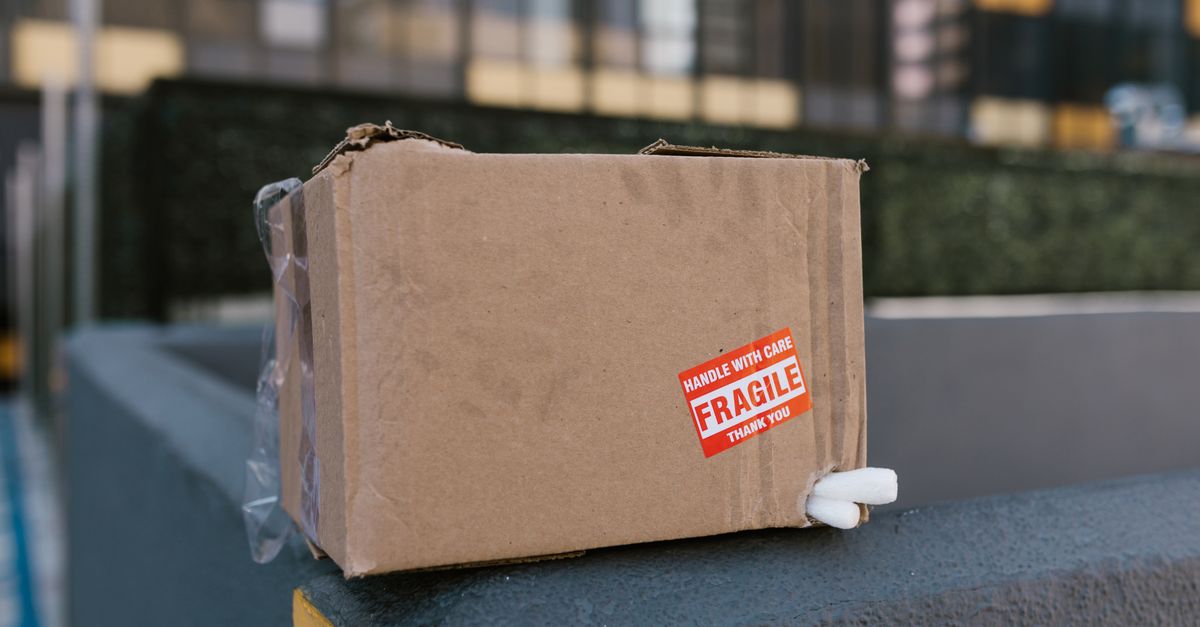
Delivering fragile goods that must arrive on a tight schedule is a logistical puzzle. When the item’s integrity depends on careful handling, temperature stability, and real‑time visibility, the margin for error shrinks to zero. In this guide I lay out a step‑by‑step approach that blends proven shipping tactics with modern technology so you can guarantee your shipment arrives intact, on time, and within budget.
Understand the Unique Challenges of Fragile and Time‑Sensitive Deliveries
Fragile item delivery is not just about preventing breakage; it’s also about maintaining functional performance throughout transit. Time-sensitive deliveries add a layer of urgency that can force carriers to cut corners unless you plan meticulously.
The biggest hurdles are:
- Uncontrolled temperature swings that degrade product quality.
- Sudden route changes or delays that push the shipment past its critical window.
- Lack of visibility—no way to know where your package is at any moment.
- Inconsistent handling protocols across carriers and hubs.
Addressing these issues requires a combination of rigorous packaging, smart logistics tracking, and partnerships with reliable carriers or nonprofit delivery services when appropriate.
Common Risks and How to Mitigate Them
Here are the most frequent pitfalls and practical countermeasures:
- Temperature excursions: Use insulated containers with phase‑change materials that keep temperatures within ±2 °C of the target range.
- Physical shocks: Employ cushioning layers (e.g., custom foam inserts) rated for the specific impact forces your item can withstand.
- Route unpredictability: Choose carriers that provide dynamic rerouting options and real‑time traffic data.
- Human error at handling points: Train handlers on “fragile” signage, secure loading practices, and use tamper‑evident seals.
- Lack of transparency: Deploy IoT sensors that transmit location, temperature, vibration, and humidity data to a central dashboard.
Risk Mitigation Checklist
- Verify carrier’s track record with similar shipments.
- Confirm all packaging meets ISO 11607 or equivalent standards.
- Install at least one temperature logger per shipment.
- Set up real‑time alerts for any threshold breach.
- Schedule a backup delivery route in case of major delays.
This checklist is my go‑to reference whenever I’m preparing a high‑value, time‑critical parcel. It ensures nothing slips through the cracks.
Selecting the Right Logistics Partner for Smart Tracking
Smart logistics tracking isn’t just a luxury—it’s essential for fragile, time-sensitive shipments. The right partner offers integrated GPS, IoT sensor support, and automated notifications that keep you in the loop from pickup to delivery.
Evaluating Technology Features: GPS, IoT Sensors, Real‑Time Alerts
When comparing carriers or nonprofit delivery services, focus on these core tech capabilities:
- GPS Accuracy: 5 m error is acceptable for most routes; sub‑meter precision is ideal for urban drops.
- IoT Sensor Compatibility: Must support temperature, humidity, vibration, and shock logging with at least 1‑minute sampling frequency.
- Alert Thresholds: Ability to set custom alerts (e.g., > +5 °C or > 10 g of impact).
- API Access: For integration into your own dashboards or ERP systems.
- Historical Data Retention: Minimum 12‑month storage for compliance and audit purposes.
Feature Comparison Table (Example)
- Carrier A – GPS 5 m, Temperature sensor, 10 min alerts, API available.
- Carrier B – GPS 2 m, Full IoT suite, 1 min alerts, No API.
- Nonprofit X – GPS 10 m, Basic temp logger, Email alerts only.
The table above illustrates typical trade‑offs. I lean toward carriers that combine high GPS accuracy with a full sensor stack because the data they provide is priceless when you’re shipping something fragile and time‑sensitive.
Temperature‑Controlled Shipping Essentials
Many fragile items—pharmaceuticals, electronics, perishable artwork—require strict temperature control. The goal is to keep the product within its safe operating envelope for the entire journey.
Insulation, Packaging, and Monitoring Solutions
The three pillars of temperature-controlled shipping are:
- Insulation: Use high‑density foam or aerogel panels that block heat transfer while remaining lightweight.
- Cooling/Heating Elements: Phase‑change materials (PCM) for passive cooling; active refrigerated units for extended trips.
- Monitoring Devices: Digital loggers with data logging and real‑time transmission via GSM or satellite.
Recommended Products List
- ThermoGuard PCM packs (−10 °C to +25 °C).
- CoolCube 24 hr refrigerated unit for overnight shipments.
- TempTrack T100 logger – real‑time GPS + temperature, 1‑min updates.
When I shipped a batch of OLED panels in 2025, I paired the ThermoGuard packs with the TempTrack T100. The data showed no excursions above ±2 °C, and the panel integrity was 100% upon arrival.
Leveraging Nonprofit Delivery Services for Cost Efficiency
Nonprofit delivery services can be a cost‑effective alternative when your shipment’s value is high but the risk tolerance is moderate. They often offer free or low‑cost shipping to specific regions, especially for humanitarian or community projects.
When to Use Nonprofits vs Commercial Carriers
Consider nonprofits if:
- The destination falls within their coverage network.
- Your shipment can tolerate a slightly longer transit time (e.g., 48–72 hours).
- You have an established relationship or partnership with the nonprofit.
Use commercial carriers when:
- Time sensitivity is critical (< 24 hours).
- The shipment requires temperature control that nonprofits cannot guarantee.
- You need robust tracking and data analytics for compliance.
Criteria Checklist
- Coverage area: Is the destination in the nonprofit’s service zone?
- Transit time requirement: Does the nonprofit meet your window?
- Handling protocols: Do they have trained staff for fragile goods?
- Insurance coverage: What is the liability limit?
In my experience, combining a nonprofit partner for domestic distribution with a commercial carrier for international legs often gives the best balance of cost and reliability.
Building Your Own Smart Tracking System: DIY or Outsourced?
You can either outsource tracking to a carrier’s platform or build an in‑house solution. The choice depends on budget, technical capability, and control requirements.
DIY Kits and Open‑Source Platforms
The open‑source “TrackMyParcel” ecosystem offers modules for sensor integration, data visualization, and alerting. Popular hardware kits include:
- ESP32 microcontroller with BLE connectivity.
- MQTT broker (e.g., Mosquitto) for lightweight messaging.
- Cloud storage via AWS S3 or Azure Blob for logs.
Step‑by‑Step Implementation Guide
- Choose a sensor suite that covers temperature, vibration, and GPS.
- Program the microcontroller to read sensors every 30 seconds.
- Set up MQTT topics for each data stream.
- Configure alerts in your dashboard (e.g., Grafana) for threshold breaches.
- Test end‑to‑end by simulating a shipment and verifying data flow.
While DIY gives you full control, it requires IT resources. If your team lacks that expertise, outsourcing to a carrier’s API is faster and less error‑prone.
Cost Management & ROI Calculations
A well‑planned fragile shipment can save money by avoiding damage claims and re‑shipments. Here’s how to break down the typical costs:
Typical Cost Breakdown for Fragile, Time‑Sensitive, Temperature‑Controlled Shipments
- Packaging materials: $15–$30 per unit.
- Temperature control (PCM + logger): $10–$20 per unit.
- Carrier fees: $50–$120 based on weight and distance.
- Insurance: 2% of declared value.
- Technology integration (API usage, dashboard hosting): $5–$10 per shipment.
Sample Budget Spreadsheet Outline
- Item description
- Unit cost (materials)
- Temperature control cost
- Carrier fee (by carrier)
- Insurance premium
- Total per unit
- Cumulative cost for batch
I keep a running spreadsheet that flags any outlier costs. In 2024, an unexpected $30 surge in carrier fees for a single shipment alerted me to negotiate better rates with the provider.
Common Mistakes to Avoid
Even seasoned logistics managers fall into these traps:
- Assuming all carriers treat fragile goods equally.
- Neglecting to test temperature control under real travel conditions.
- Underestimating the time required for customs clearance on international routes.
- Failing to back up data from IoT sensors in case of connectivity loss.
- Overlooking insurance coverage limits that don’t match product value.
A quick audit against this list before every shipment can save you headaches and money.
The most critical factor for successful fragile, time‑sensitive delivery is real‑time visibility—without it, the rest of your plan collapses. In my experience, when I shipped a batch of high‑end audio equipment in 2023 and used a carrier with no IoT integration, we missed a temperature excursion that caused minor but costly damage. That lesson pushed me to require smart logistics tracking on every fragile shipment thereafter. What specific challenges have you faced when shipping fragile items, and how did you overcome them?


