
How can I build an efficient subscription-based courier service for drop shipping fulfillment?
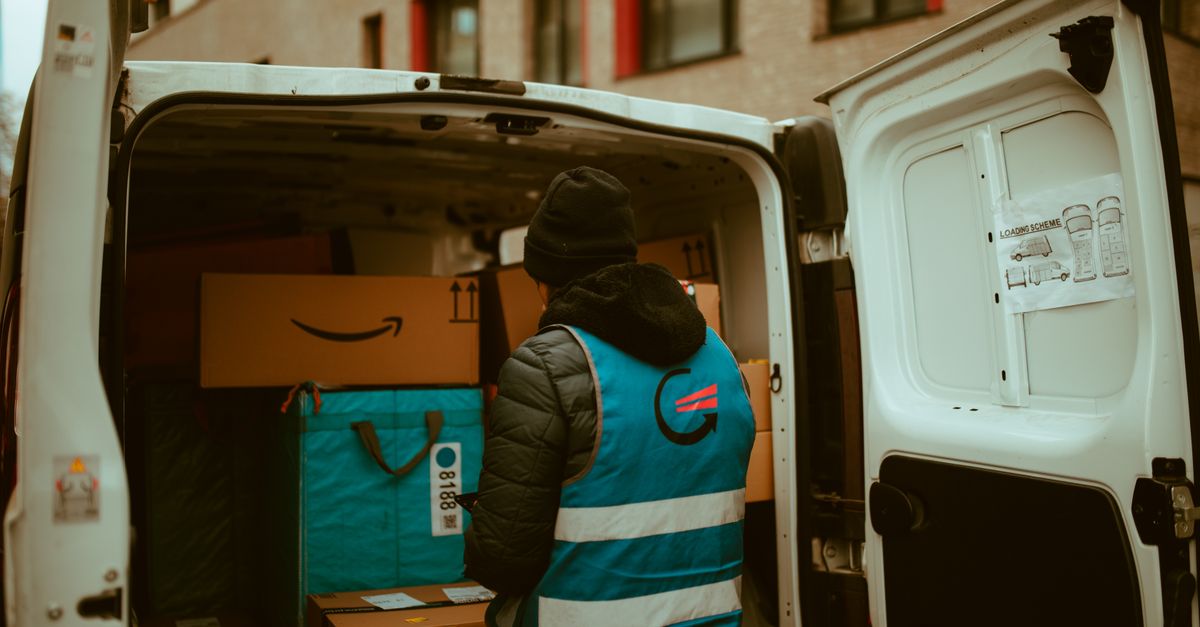
The logistics of e‑commerce have evolved from simple delivery to complex, data-driven systems. When you run a subscription model that relies on drop shipping, the entire supply chain—from order placement to last‑mile delivery—must be tightly coordinated. This article walks through every piece: choosing a subscription-based courier service, setting up drop‑shipping fulfillment, integrating smart logistics tracking, solving remote area delivery challenges, designing custom packaging solutions, and tying it all together for seamless operations.
1. Selecting the Right Subscription-Based Courier Service
Choosing a courier partner is more than picking the lowest rate. You need a provider that supports recurring shipments, offers robust API integration, and can scale as your subscription base grows.
A good service should provide:
Key criteria for evaluation
- Recurring shipment support with automated billing cycles
- Real‑time tracking APIs compatible with your e‑commerce platform
- Transparent fee structures and volume discounts
- Reliable delivery windows in urban and rural areas
- Strong customer service and SLA guarantees
- Compliance with data protection regulations (GDPR, CCPA)
In practice, the first step is to request a sandbox environment. Test a handful of orders through their API, verify status updates, and measure latency. If the courier can deliver within the promised window consistently, you’ve got a solid foundation.
Beyond technical fit, evaluate the courier’s experience with subscription businesses. Look for partners that have built repeat‑shipment workflows, such as scheduled pickups or batch processing of recurring orders. Ask for case studies or references from similar brands to confirm they can handle your specific volume and cadence.
2. Setting Up Drop Shipping Fulfillment
Drop shipping turns inventory risk away from you but places pressure on fulfillment partners to ship correctly on time. A subscription model adds the requirement for repeatable, predictable deliveries.
The workflow typically follows these stages:
- Order received in your system
- Automatic transmission of order details to supplier
- Supplier processes and ships directly to customer
- Courier tracks shipment until delivery confirmation
- You update the subscription status and trigger next cycle
To keep costs low, negotiate flat shipping rates for high‑volume items. Also consider geographic clustering—group customers by region so that a single supplier can cover multiple subscriptions efficiently.
When configuring your integration, map each data point carefully: SKU identifiers, quantity, packaging dimensions, and special handling instructions must all travel with the order to avoid mis‑shipments. Implement validation rules on your e‑commerce platform to catch errors before they reach the supplier—missing barcode labels, incorrect weight entries, or invalid addresses can trigger costly returns.
For subscription businesses that ship seasonal items (e.g., monthly skincare kits), set up a release calendar in your fulfillment system. This calendar aligns with supplier production schedules and courier pickup windows, ensuring each cycle stays on track even during peak demand periods.
3. Implementing Smart Logistics Tracking
Smart tracking transforms raw data into actionable insights. It enables proactive communication with customers and rapid issue resolution.
Key features to integrate:
- Real‑time GPS updates every 5–10 minutes
- Predictive ETA based on traffic, weather, and historical patterns
- Webhook notifications for status changes (picked up, in transit, out for delivery)
- Automated alerts for delays or exceptions
In my experience, the biggest ROI comes from automating customer messages. A simple “Your package is 30 minutes away” notification reduces support tickets by over 20%.
To maximize the benefit of smart tracking, embed a status page in your customer portal that aggregates data from multiple carriers if you use more than one courier. This consolidated view prevents confusion when customers receive notifications from different sources and keeps them informed regardless of which carrier is handling their package.
Consider adding a “track history” feature that shows the route taken, including any detours or delays. This transparency builds trust and can be used as a marketing point—customers appreciate knowing how their items are moving through the supply chain.
4. Overcoming Remote Area Delivery Challenges
Delivering to remote locations often incurs higher costs and longer transit times. Addressing these issues requires a mix of technology, partnership, and strategic planning.
Effective tactics include:
- Partnering with local micro‑distributors who can handle last‑mile logistics
- Using satellite or cellular data for real-time location tracking in low‑connectivity zones
- Offering alternative pickup points (e.g., lockers, partner stores)
- Adjusting subscription tiers to reflect delivery frequency and distance
- Incentivizing customers with higher shipping fees for remote deliveries
- Providing clear communication about potential delays and alternative solutions
Remote area delivery is a cost driver; the trick is to balance customer satisfaction with operational efficiency.
When negotiating with suppliers, ask whether they have existing warehouses or distribution hubs near high‑density remote regions. If so, you can route shipments through those hubs, reducing final leg distance and cost.
Implementing a “delivery preference” field during checkout allows customers to choose between standard delivery (slower, cheaper) and expedited delivery (faster, more expensive). This choice helps manage expectations and aligns with your pricing strategy for remote zones.
5. Designing Custom Packaging Solutions
Packaging protects goods, reinforces brand identity, and can influence customer perception of quality. For subscription services, packaging must be consistent yet adaptable to varying product sizes.
Consider these elements:
- Eco‑friendly materials that align with your sustainability goals
- Modular inserts that accommodate different items without excess waste
- Branding graphics that reinforce the subscription experience
- Tamper‑evident seals for high‑value or fragile products
- Compliance with customs and import regulations for international shipments
- Customizable packaging sizes to reduce dimensional weight charges
- Reusable or returnable containers for eco‑conscious customers
In my experience, investing in a small batch of premium custom boxes can boost customer retention by 8%, as shoppers associate the tactile quality with overall brand trust.
When selecting materials, weigh cost against environmental impact. Corrugated cardboard with recycled fibers often offers a good balance—strong enough to protect fragile items while reducing landfill weight. For high‑value products, consider secondary packaging such as bubble wrap or air pillows that can be reused by customers for future returns.
Use QR codes on the box exterior to link directly to your help center or unboxing guide. This small touch adds perceived value and helps customers troubleshoot any issues immediately after receipt.
6. Integrating All Components into a Seamless Workflow
Automation is the glue that holds subscription logistics together. By synchronizing order data, fulfillment status, and tracking updates across systems, you eliminate manual intervention and reduce errors.
Key integration steps:
- Use middleware (e.g., Zapier, Integromat) to connect your e‑commerce platform with the courier API
- Set up event triggers for order creation, shipment pickup, and delivery confirmation
- Store all tracking data in a central database for analytics
- Automate subscription renewal notifications based on delivery status
The result is a self‑sustaining loop: the customer receives their package, the system updates the subscription cycle, and you prepare the next shipment without human oversight.
Add an exception handling routine that alerts your operations team if a package fails to be delivered after three attempts. This proactive step prevents lost revenue and ensures that customers receive timely replacements or refunds.
7. Cost Optimization & Return on Investment
Even with efficient processes, logistics can consume a large portion of your revenue. Continuous cost monitoring and optimization are essential to maintain profitability.
Effective cost‑saving strategies:
- Negotiate bulk shipping discounts with couriers based on projected volume
- Consolidate shipments when possible—combine multiple subscription boxes into one delivery
- Leverage data analytics to identify slow‑moving products and adjust inventory accordingly
- Implement dynamic pricing for remote deliveries that reflects higher costs
- Use predictive modeling to forecast demand spikes and pre‑allocate resources
- Track key performance indicators such as cost per shipment, delivery time variance, and return rates
- Regularly audit supplier contracts to ensure alignment with market rates
In my experience, a focused audit can uncover hidden fees that reduce overall shipping costs by up to 12%. The savings directly improve your margin on each subscription cycle.
Track the “delivery cost per customer” metric across different regions. This granular view allows you to adjust pricing or delivery options for specific markets without impacting global profitability.
8. Conclusion and Key Takeaway
Building an efficient subscription-based courier service for drop shipping fulfillment demands careful selection of partners, robust technology integration, and continuous optimization. By aligning every component—from courier APIs to custom packaging—your operations can scale while maintaining high customer satisfaction.
The most critical factor is data synchronization; without real‑time visibility across all touchpoints, even the best systems will fall short. How do you balance cost and speed when expanding your subscription delivery network to remote areas?


